Free Shipping Within USA | 1-year Warranty
Choosing Equipment Based on Project Duration (Short vs Long Term)
Getting the right heavy machinery is directly related to how much money your project will make. When your business gets a new contract, you have to make an important financial choice about your fleet. How you get the tools to do the job is just as important as the job itself. If you make the wrong choice when buying something, it can tie up your working capital, raise your operating costs, and make it harder for you to take on new clients.
Contractors often stick to old ways of doing things, like always buying or always renting, without thinking about the specific timeline ahead. To make your construction business truly strong and profitable, you need to change how you buy things to fit the exact terms of your next contracts.
We understand that your success relies entirely on maximizing the return on every dollar you spend. In this comprehensive guide, we will explore the strategic differences when evaluating equipment for short-term vs. long-term projects. We will break down the precise financial pros and cons of renting, leasing, and buying. By following this straightforward framework, you will ensure your machinery always serves as a reliable, profitable asset rather than a financial burden.
Defining Your Project Timeline and Utilization
Before you visit a dealership or contact a rental yard, you must objectively evaluate your project pipeline. Calendar duration is important, but you must also calculate your expected utilization rate. A machine sitting idle on a long-term project acts very differently on your balance sheet than a machine running non-stop for three weeks.
Understanding the Short-Term Reality
In the construction industry, short-term projects generally span anywhere from a single day up to six months. These projects often involve specialized tasks that fall outside your crew’s standard daily operations. For example, you might need a heavy-duty hydraulic breaker to remove a concrete foundation for two weeks, or a massive articulated dump truck to move dirt for a one-month grading phase.
For these brief windows, you need immediate access to reliable machinery without committing to years of financial liability. Flexibility remains your highest priority.
Recognizing Long-Term Commitments
Long-term projects encompass contracts lasting a year or more, or a series of back-to-back projects that require the exact same machinery. If your company specializes in underground utilities, a 20-ton excavator is not just a tool for a specific job; it serves as the permanent backbone of your entire operation.
When your timeline extends indefinitely, your priorities shift from flexibility to asset control and lowering your total cost of ownership. You need dependable equipment that builds equity for your business over time.
Evaluating Equipment for Short-Term vs. Long-Term Needs
Once you accurately map out your schedule and utilization rates, you can align your procurement strategy. Every acquisition method offers distinct advantages and specific drawbacks. You must match the method directly to your timeline.
The Strategic Value of Renting for Short-Term Projects
When you face a tight deadline or need specialized machinery for a brief phase, renting offers an incredibly powerful solution. Renting allows you to access top-tier, late-model equipment precisely when you need it, and return it the moment the task concludes.
The Pros of Renting:
Total Financial Flexibility: You pay for the machine only while it actively generates revenue on your job site. Once the task finishes, your financial obligation ends immediately.
Preserving Working Capital: Renting requires zero down payment and completely bypasses long-term bank financing. You keep your cash reserves intact to cover payroll, materials, and other immediate expenses.
Zero Maintenance Liability: The rental company assumes total responsibility for the machine’s health. If a rented skid steer breaks down, you simply call the supplier, and they dispatch a mobile mechanic or deliver a replacement machine at no extra cost to you.
The Cons of Renting:
High Daily Rates: Renting carries the highest cost per hour of operation. If a short-term project faces severe weather delays and stretches into a six-month ordeal, those accumulated daily rental fees will quickly consume your profit margin.
Zero Equity: You build absolutely no ownership equity. When you return the machine, you have nothing to show for the money spent.
When Leasing Bridges the Gap
Leasing serves as an excellent middle ground when evaluating equipment for short-term vs. long-term projects. If your project timeline runs between twelve and thirty-six months, standard renting becomes too expensive, but buying might feel too risky.
The Pros of Leasing:
Lower Monthly Payments: Lease payments are consistently lower than loan payments for a purchased machine. You only pay for the depreciation of the equipment during the lease term, not the entire purchase price.
Access to Modern Technology: Leasing allows you to cycle through fresh equipment every few years. Your operators always benefit from the latest fuel efficiency standards, safety features, and telematics systems.
Predictable Cash Flow: You know exactly what your monthly equipment expense will be for the next two years, allowing for highly accurate project bidding.
The Cons of Leasing:
Strict Utilization Limits: Most leases come with strict annual hour limits. If your crew works double shifts and exceeds these hours, you will face severe financial penalties at the end of the contract.
Inflexible Commitments: Unlike a rental, you cannot simply return a leased machine if your project gets canceled prematurely. You remain legally bound to the monthly payments until the lease term expires.
The Financial Power of Buying for Long-Term Projects
Purchasing machinery requires the highest level of commitment, but it offers massive financial rewards for contractors with consistent, long-term workloads. If you know a machine will run steadily for the next five years, buying provides the lowest possible total cost of ownership.
The Pros of Buying:
Building Business Equity: Every monthly finance payment you make increases your ownership stake in the asset. When you eventually sell the machine or trade it in, you recover a significant portion of your initial investment.
Absolute Operational Control: You dictate exactly how and when the machine operates. You never have to worry about a rental yard running out of the specific excavator you need for a critical Monday morning start.
Tax Advantages: Owning heavy equipment often provides substantial tax benefits. You can leverage depreciation schedules and specific tax codes to offset your company’s annual tax liability.
The Cons of Buying:
Significant Upfront Costs: Purchasing requires a substantial down payment, tying up a large chunk of your working capital.
Total Maintenance Responsibility: When the factory warranty expires, you absorb every single repair bill. You must maintain the infrastructure and the personnel required to keep the machine running reliably.
Factoring in Storage and Transportation
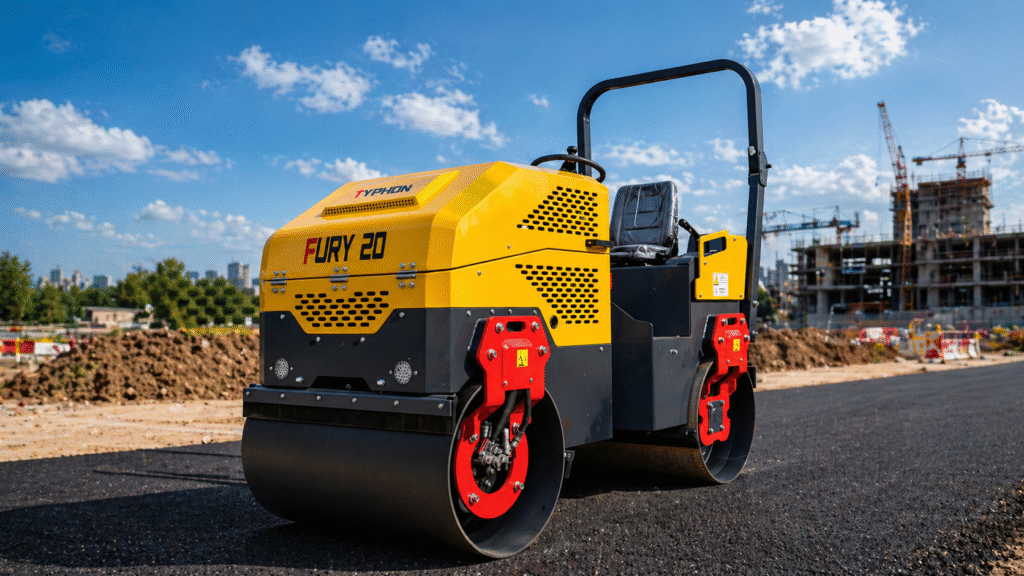
Your decision-making process must extend beyond the job site. You must consider the logistics of housing and moving the machinery.
If you purchase a massive motor grader for a long-term highway project, you must have a secure yard to store it when the project finally concludes. You also assume the cost of commercial transport to move it between future sites. If you lack adequate storage facilities or a heavy-haul transport truck, ownership introduces massive logistical headaches.
Renting completely eliminates these logistical burdens. The rental provider delivers the machine directly to your trench and picks it up the day you finish. For contractors operating in tight urban environments without dedicated storage yards, renting or returning leased equipment often provides the cleanest operational strategy.
Conclusion
Maximizing your return on investment demands a highly strategic approach to fleet management. You cannot afford to lock your business into long-term debt for a machine you only need for three months, nor should you pay premium daily rental rates for an excavator you use every single day.
By carefully analyzing your project timelines and understanding the nuances of equipment for short term vs long term deployment, you take total control of your profit margins. Rent to conquer brief, specialized tasks while protecting your cash flow. Lease to access modern technology for mid-length contracts. Finally, purchase the core machinery that will drive your long-term daily operations. When you align your equipment acquisition strategy directly with your project duration, you guarantee your fleet remains a dependable, highly profitable asset for your business.