Free Shipping Within USA | 1-year Warranty

The Ultimate Mini Excavator Pre-Start Inspection Checklist
A few minutes of inspection can save you thousands in repairs. Skipping a quick walk-around before you start your mini excavator is one of the most expensive mistakes an operator can make. A cracked hose, a low oil level, or a loose track can turn a productive morning into a costly breakdown.
This guide gives you a complete, practical pre-start inspection checklist built for mini excavator owners, operators, and contractors across the US. You’ll learn exactly what to check, why it matters, and how to spot trouble before it stops your job. By the end, you’ll have a routine you can run in under 15 minutes, every single day.
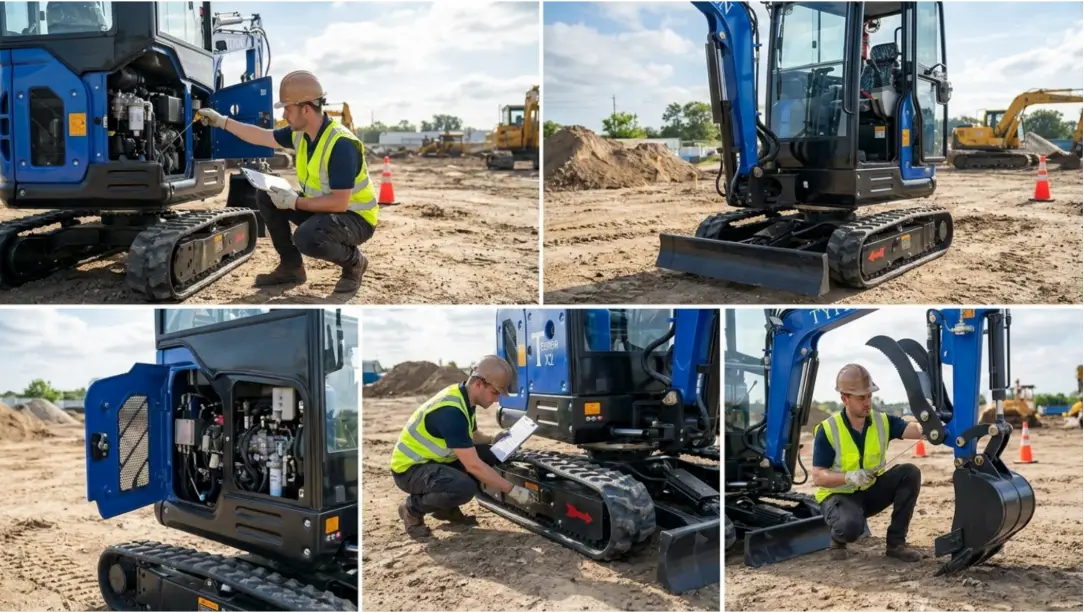
This guide walks you through fluid and engine checks, the hydraulic system and tracks, the bucket, attachments, and safety controls, and finally the cab, gauges, and key startup steps. Together, these checks form a complete routine that keeps your machine safe and ready for work.
Why a Pre-Start Inspection Matters
Mini excavators work hard in tough conditions. Dirt, vibration, and heavy loads wear down parts faster than most operators expect. A daily inspection catches small problems early, before they become major failures on the jobsite.
The Safety and Cost Case
There’s also a safety side. OSHA expects operators to confirm equipment is safe before use, and a documented walk-around protects you and your crew. A consistent routine reduces downtime, extends machine life, and keeps your projects on schedule.
Getting Ready for Your Inspection
Before beginning your pre-start inspection, take a few minutes to prepare both the machine and your work area. A proper setup helps you spot potential problems more easily, reduces the chance of overlooking important components, and ensures the inspection can be completed safely and efficiently.
Having the right tools on hand, such as gloves, a clean rag, and your operator’s manual, also makes it easier to check fluid levels, clean dipsticks, and verify manufacturer specifications. Starting with a consistent routine helps build good inspection habits and keeps your mini excavator in reliable working condition.
Set Up for a Smart Inspection
Park the mini excavator on firm, level ground and lower the bucket completely to the ground before shutting off the engine. If the machine has been operating, allow it to cool for a few minutes before inspecting components around the engine or hydraulic system. This reduces the risk of burns and provides more accurate fluid level readings.
Before you begin, gather any basic inspection tools you may need, including gloves, a flashlight, and a clean cloth. Keeping these items nearby makes the inspection process faster and helps ensure no important checks are skipped.
Start With a Quick Visual Scan
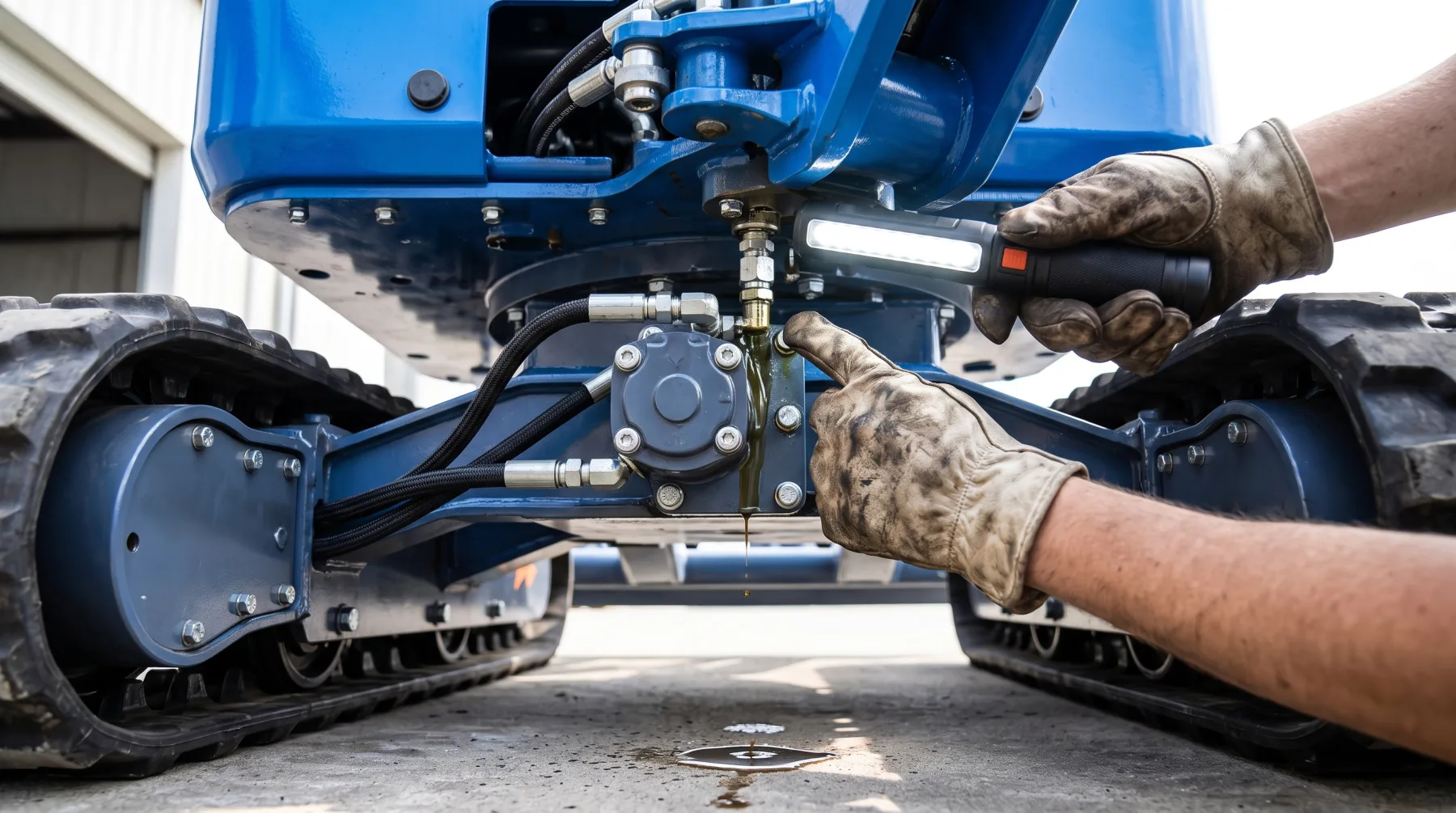
Begin by walking completely around the machine and looking for anything that appears out of place. Check for fresh oil, coolant, fuel, or hydraulic fluid leaks beneath the excavator, along with loose bolts, cracked panels, damaged hoses, or other visible signs of wear that may have developed since the previous shift.
A thorough visual scan only takes a few minutes but can reveal problems before they become serious mechanical failures. Identifying obvious issues early allows you to schedule repairs before they affect safety, performance, or productivity on the jobsite.
The Complete Inspection Checklist
This is the heart of your routine. Work through each step in order so nothing gets missed, from fluids under the hood to the controls in your cab.
Check Engine Oil and Fluid Levels
Fluids are the lifeblood of your mini excavator. Low or dirty fluids lead to overheating, poor performance, and engine damage that’s expensive to fix.
Start with the engine oil by pulling the dipstick, wiping it clean, and checking both the level and color-dark, gritty oil is a clear sign it needs changing. Move on to the coolant, confirming the reservoir level sits between the marks, and never open a hot radiator cap. Check your hydraulic fluid against the recommended level using the sight glass or dipstick, then top off the fuel and drain any water from the separator bowl. If your machine runs an emissions system, refill the diesel exhaust fluid (DEF) as needed. Knowing how to check hydraulic oil level on an excavator the right way helps you catch low or contaminated fluid before it causes real damage.
As you work through the fluids, give each one the attention it deserves. The engine oil tells you the most at a glance, so check both its level and color and plan a change if it looks dark or gritty. Coolant should rest neatly between the reservoir marks, and the hydraulic fluid should match the recommended level on the sight glass or dipstick. From there, top off the fuel, drain any water from the separator bowl, and refill the diesel exhaust fluid if your machine relies on an emissions system. Treating these as one connected routine, rather than a rushed list, helps you spot trouble before it ever reaches the jobsite.
Look under the machine for leaks while you’re at it, since a small drip today can mean a dry reservoir tomorrow. Staying alert to hydraulic oil contamination risks for heavy equipment helps you understand why even a minor leak deserves your attention.
Inspect the Hydraulic System
The hydraulic system powers nearly every movement your excavator makes. Even a minor leak can drop performance and create a slip hazard.
Examine Tracks and Undercarriage
The undercarriage takes a beating and often costs the most to repair. Catching wear early saves serious money over the life of the machine.
Track and Undercarriage Checks
Inspect the tracks for proper tension, excessive wear, cracks, missing rubber, or damaged steel components. Loose tracks are more likely to derail during operation, while overtight tracks place unnecessary stress on rollers, sprockets, and idlers, shortening the life of the undercarriage.
Also check the undercarriage for packed mud, rocks, or debris that could affect track movement. Keeping the tracks clean and properly adjusted improves stability, traction, and overall machine performance while reducing maintenance costs.
Inspect the Bucket and Attachments
Examine the bucket for cracks, bent edges, worn teeth, and loose mounting pins. Pay close attention to the quick coupler or attachment locking mechanism, ensuring it is fully engaged and securely fastened before operation.
If you use hydraulic attachments, inspect hoses and fittings for leaks or damage. Regular attachment inspections help maintain digging efficiency and reduce the risk of equipment failure or dropped attachments on the jobsite.
Test Safety Controls
Before starting work, verify that all safety devices are functioning correctly. Test the safety lock lever, seat belt, horn, travel alarm, and emergency stop functions if equipped. These features are designed to protect both the operator and nearby workers.
Also confirm that the machine will not operate when the safety lock is engaged. Taking a few moments to test these systems ensures they are ready to respond if an emergency occurs during operation.
Check Lights, Gauges, and Electrical
Inspect all work lights, headlights, warning beacons, and turn signals to ensure they are operating correctly, especially if you’ll be working in low-light conditions. Replace burned-out bulbs and check for damaged wiring or loose electrical connections.
Once the engine is running, monitor the dashboard gauges and warning indicators. Accurate readings help you detect potential issues early, allowing you to address problems before they lead to costly downtime or equipment damage.
Inspect the Operator Cab
Keep the operator cab clean and free of loose tools, trash, or debris that could interfere with the pedals or controls. Check that the seat, mirrors, windows, and control levers are properly adjusted and in good condition for a comfortable and safe operating position.
Before beginning work, make sure all controls move smoothly and that visibility from the cab is clear in every direction. A well-maintained cab helps reduce operator fatigue, improves control, and contributes to a safer, more productive workday.
Finishing the Routine
With your walk-around complete, the last steps confirm everything works under power and help you avoid the habits that trip up even seasoned operators.
Startup and Operational Test
After completing your walk-around inspection, start the engine and let it idle for a few minutes. Listen carefully for unusual knocks, whining, rattling, or excessive vibration while monitoring the instrument panel. Make sure all warning lights turn off and that engine temperature, oil pressure, and other gauges settle within their normal operating ranges before putting the machine under load.
Once the engine has warmed up, slowly test each function, including the boom, arm, bucket, swing, and travel controls. Every movement should be smooth, responsive, and free of jerking, hesitation, or unusual noises. If your excavator has auxiliary hydraulics, test those as well. A quick operational check helps identify hidden issues before they become costly repairs and ensures the machine is ready to work safely.

Common Mistakes to Avoid
Even experienced operators can overlook small details during a pre-start inspection. Common mistakes include rushing the inspection, ignoring minor hydraulic leaks, skipping fluid level checks, or operating the excavator before the engine and hydraulic system have properly warmed up. These shortcuts can increase wear, reduce performance, and lead to unexpected downtime.
Taking just a few extra minutes to complete a thorough inspection and operational test can prevent expensive repairs and improve jobsite safety. Catching small problems early helps extend the life of your mini excavator while giving you greater confidence that the machine is ready for the day’s work.
In Summary
A consistent pre-start inspection is the simplest way to protect your investment, your crew, and your project timeline. By checking fluids, hydraulics, tracks, attachments, safety controls, gauges, and the cab, you catch small issues before they shut you down. The whole routine takes under 15 minutes and pays for itself the first time it prevents a breakdown.
Start today by printing this checklist and keeping a copy in your cab. Run through it before every shift, log the date, and note anything that needs attention. Build the habit now, and your mini excavator will reward you with years of reliable, productive work.