Free Shipping Within USA | 1-year Warranty
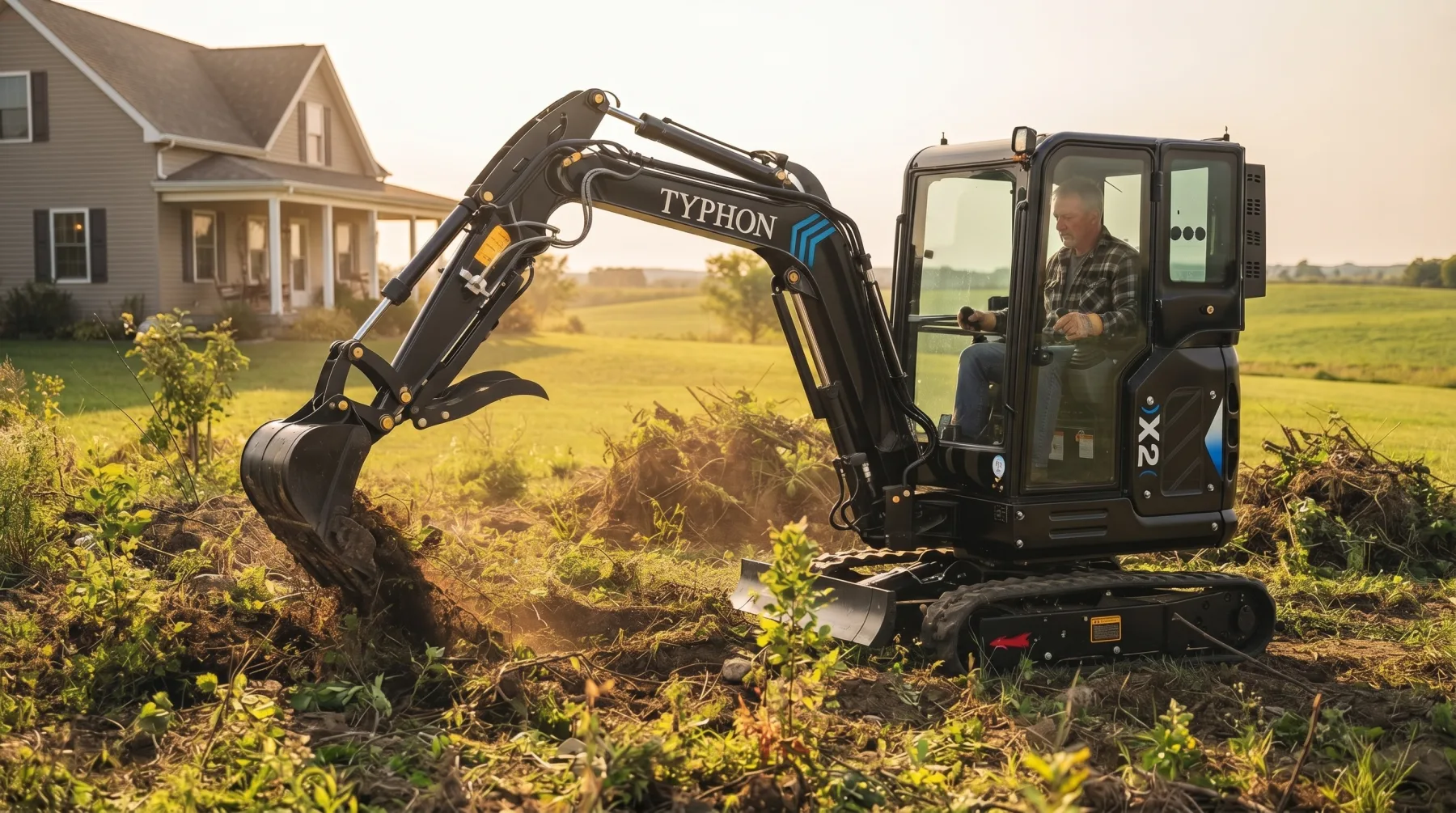
Why Landowners Are Investing in Mini Excavators Instead of Hiring Contractors
You call three contractors for a drainage job. One never calls back, one is booked out six weeks, and the third quotes a price that makes your eyes water. Meanwhile, the water keeps pooling and the problem keeps growing. For more and more landowners, that frustration is exactly why they’ve stopped waiting on hired help and bought their own mini excavator instead.
It’s a shift that makes real financial sense. A mini excavator handles the same fencing, drainage, clearing, and grading work you’d normally pay a contractor for, and it does it on your schedule, not theirs. With machines available across a wide range of prices, ownership has moved within reach for anyone managing acreage.
Owning a mini excavator also gives you the freedom to tackle projects as priorities change throughout the year. Whether repairing storm damage, expanding a pasture, installing utilities, or preparing land for a new building, you can begin work immediately without coordinating contractor schedules. That flexibility not only saves time but also allows improvements to be completed before small issues become more expensive problems.
The Money Adds Up Faster Than You’d Think
Hiring out land work feels manageable one job at a time. But when you total a year of contractor invoices, drainage here, fence line there, stump removal after the storm, the numbers tell a different story. Owning the machine turns that recurring expense into a one-time investment that keeps paying off.
Beyond the direct savings, ownership provides lasting value every time a new project comes up. Instead of weighing the cost of hiring a contractor for each task, you already have the equipment available to get started. Over the years, that convenience can significantly reduce operating expenses while giving you greater control over when and how improvements are completed.
Contractor Bills Never Stop Coming
Every hired job carries labor rates, equipment fees, and often a minimum charge just to show up. A single afternoon of digging can run into the hundreds or thousands, and none of that money comes back to you.
Owning flips the equation. After the purchase, your main costs are fuel and basic upkeep. The machine becomes an asset you control instead of a check you write again and again.
Ownership Builds Equity, Not Expenses
A mini excavator holds real resale value, especially popular sizes and well-maintained machines. When you own, part of every dollar goes toward something you can sell later rather than vanishing into someone else’s labor.
Add potential tax advantages for property and business equipment, and the total cost of ownership often lands well below years of steady contractor bills.
The Break-Even Comes Quickly
Count how many jobs you hired out or wanted to do over the past two years. For many landowners, just a handful of avoided drainage, fencing, or clearing projects covers the cost of an entry-level machine.
After that break-even point, every job you handle yourself is money kept in your pocket instead of paying contractor fees. You also gain the flexibility to complete projects whenever conditions are right, rather than waiting for equipment availability or a contractor’s schedule. Over time, that convenience and reduced labor cost can make owning a mini excavator a worthwhile long-term investment for your property.
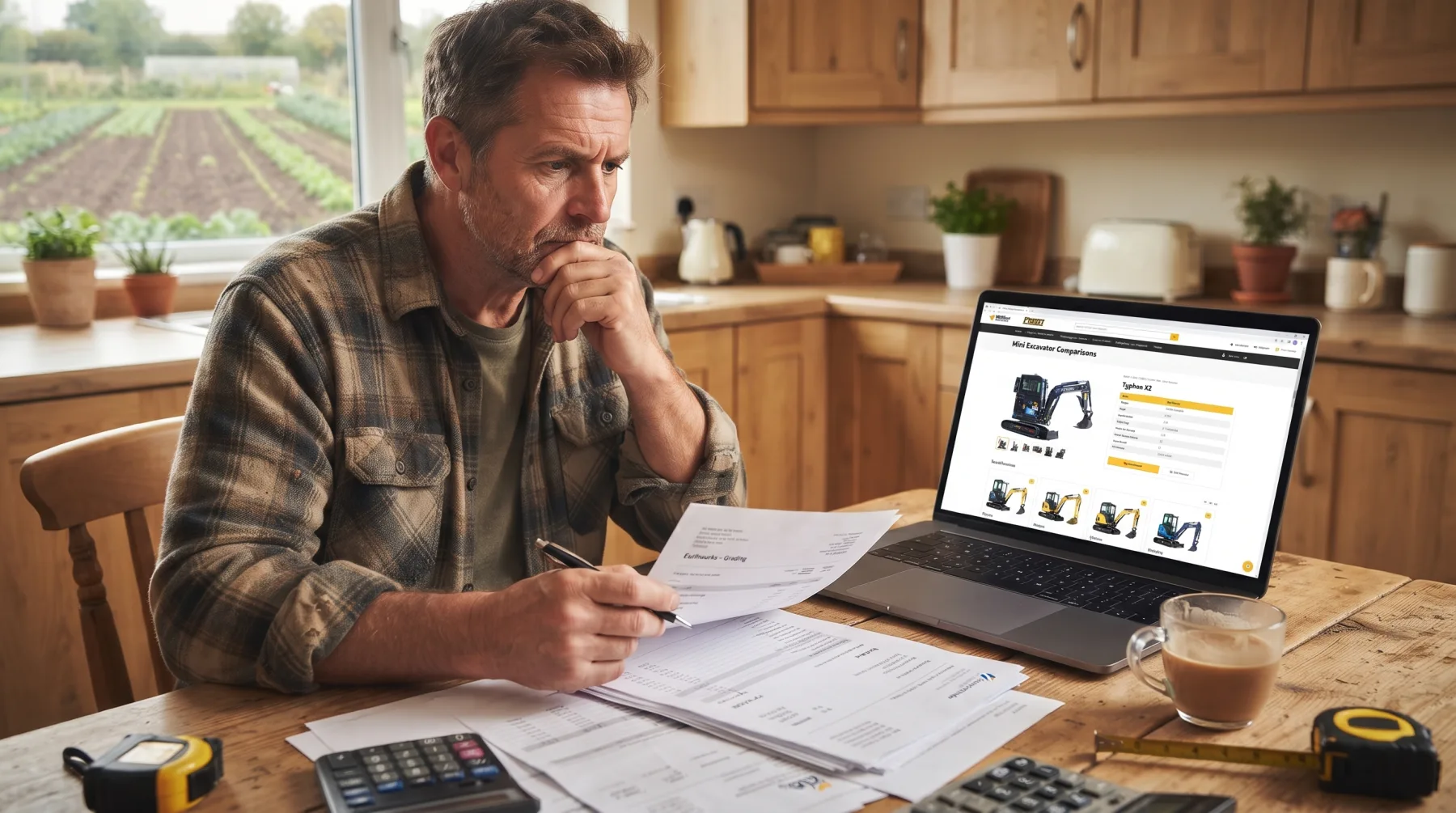
You Control the Timeline, Not the Contractor
Money aside, the biggest complaint landowners have about hiring out is waiting. When you own the machine, the schedule is yours. Rain delay? Wait a day. Free weekend? Get to work. No calls, no quotes, no booking window weeks away.
Owning a mini excavator also allows you to tackle projects at the pace that works best for your property. You can spread large jobs over several weekends, pause when conditions aren’t ideal, and return whenever you’re ready without worrying about contractor schedules or rental deadlines. That flexibility makes it easier to plan improvements while keeping your regular responsibilities on track.
Work When the Conditions Are Right
Land work depends on weather and ground conditions. Digging drainage after the ground dries or clearing brush before the dry season matters. A contractor works their calendar, not yours, so the perfect window often passes before they arrive.
Owning your machine means you act the moment conditions line up. That timing alone can be the difference between a job done right and a job done late.
No More Waiting Weeks for a Slot
During busy seasons, good contractors are booked solid. A small job that takes you an afternoon might sit on someone’s waitlist for over a month.
With your own excavator, urgent problems get handled now. A washed-out path, a fallen tree, or a failing culvert doesn’t have to wait on anyone else’s availability.
Tackle Projects in Your Own Order
When you own the machine, you set the priorities. Knock out the fence line this weekend, start the pond next month, and grade the driveway whenever it needs it. You’re free to work in the sequence that makes sense for your property and your life.
At a glance: Owning trades scheduling headaches for total control. You work on your timeline, in your order, whenever conditions are right.
One Machine Handles Nearly Every Land Task
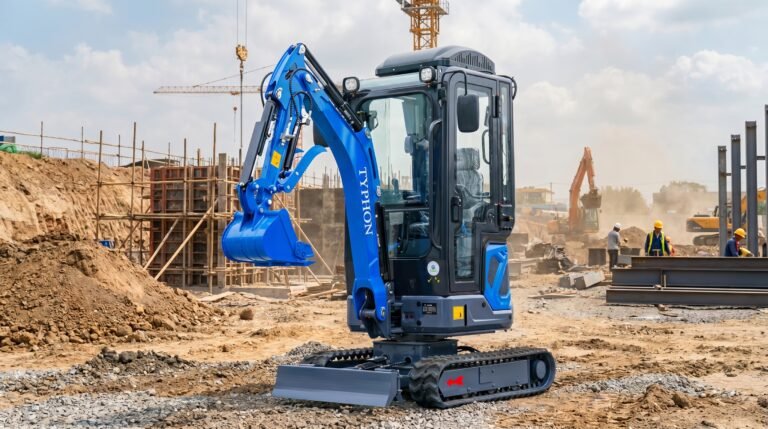
The reason a mini excavator replaces so many contractor calls is simple versatility. Swap an attachment and the same machine digs, drills, lifts, clears, and grades. For a landowner managing acreage, that range covers the vast majority of jobs on the list.
That versatility also means you can shift between completely different types of work without stopping to bring in extra equipment or wait for outside help. From routine maintenance to larger improvement projects, the same machine adapts as the job changes, keeping progress steady and reducing downtime between tasks.
Digging, Trenching, and Drainage
A mini excavator digs fence post holes, footings, and drainage trenches with speed and precision. With a narrow trenching bucket, you can route water away from barns, pastures, and low spots, protecting your property from standing water and erosion.
Clearing Land and Removing Obstacles
Brush, saplings, stumps, and buried rocks all give way to the right attachment. A thumb or grapple grips and moves awkward loads, while the bucket pries out roots and clears overgrown ground.
Grading, Leveling, and Finish Work
Beyond the heavy jobs, a mini excavator shines at finishing work: leveling building pads, shaping garden beds, smoothing driveways, and cutting gentle slopes for drainage. The precise controls let you dial in a clean, professional-looking result.
- Fencing: Drill straight, consistent post holes fast with an auger.
- Drainage: Trench for French drains, culverts, and diversion ditches.
- Clearing: Remove brush, stumps, and rock with a thumb or grapple.
- Grading: Level pads, driveways, and beds with a grading bucket.
- Material handling: Move gravel, soil, logs, and debris around the property.
The Price Range Makes Ownership Realistic
The old assumption was that excavators cost more than any landowner could justify. That’s no longer true. Machines now span a wide price range, so you can match the purchase to your acreage, your typical jobs, and your budget.
Ownership is no longer limited to large contractors with big budgets. Today’s market offers mini excavators across multiple tiers, allowing landowners to choose a machine that fits both their workload and financial comfort level. This flexibility makes it easier to get started without overcommitting while still gaining the long-term benefits of having equipment on hand whenever it’s needed.
Entry-Level Machines Are Surprisingly Affordable
Compact one-ton gas models often land in the four- to seven-thousand-dollar range. These handle fence posts, light trenching, small clearing jobs, and material moving with ease, plenty of machines for many rural properties.
For a landowner facing years of contractor bills, that entry price can pay for itself in a single busy season.
Mid-Size Diesel Adds Power and Reach
Step up to a two- to four-ton diesel machine, often ten to twenty thousand dollars, and you gain deeper digging, more lifting power, and features like cabs and hydraulic thumbs. These suit larger acreage and heavier jobs like pond building or serious drainage.
Many machines sell bundled with multiple attachments, which stretches your investment and turns a single purchase into a full tool kit from day one.
Conclusion
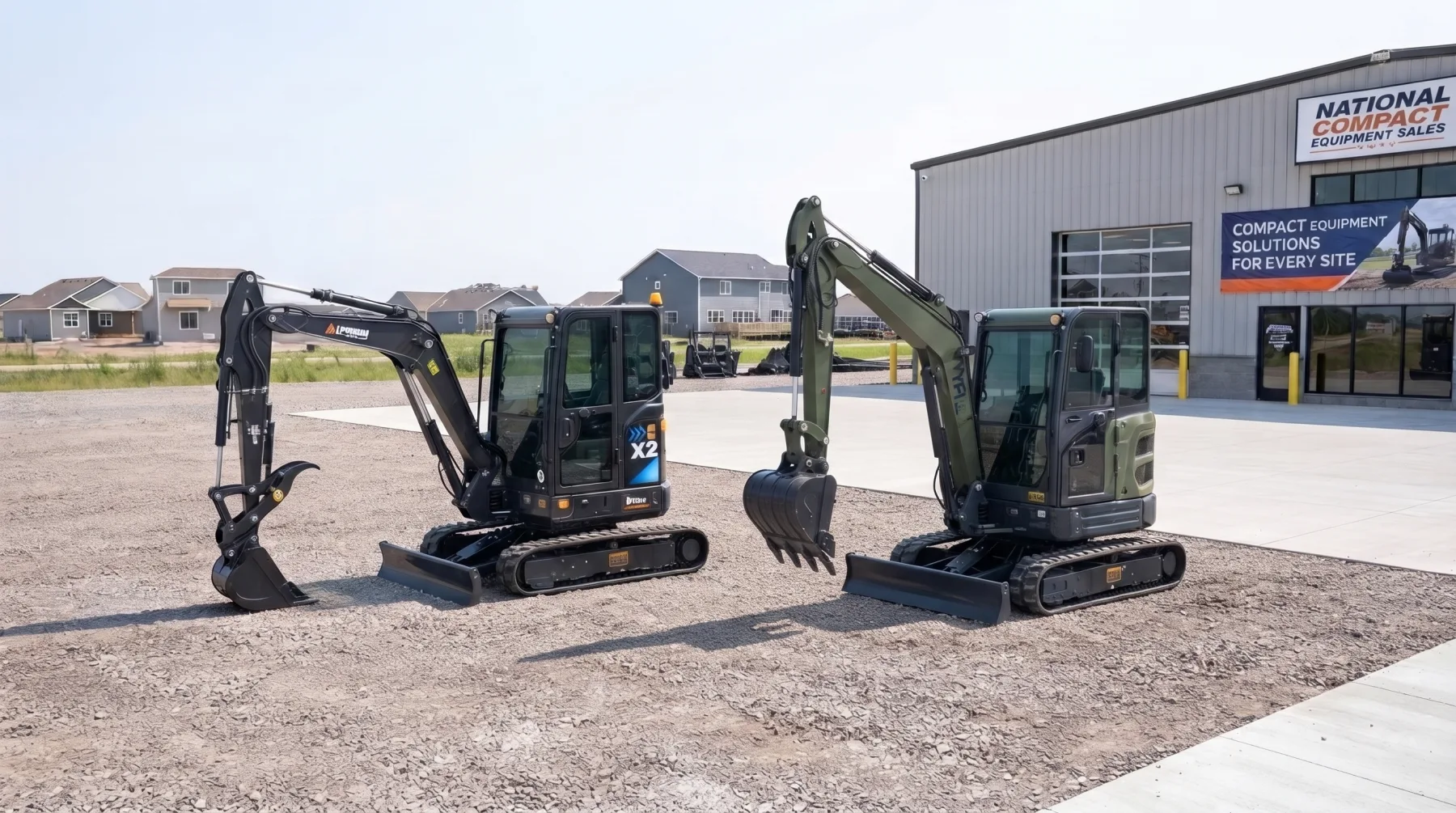
Landowners are increasingly choosing mini excavators for practical, long-term reasons. They reduce ongoing contractor expenses, give full control over when and how work gets done, and handle a wide range of tasks with a single compact machine. With more flexible pricing available today, ownership is no longer limited to large operations but has become a realistic option for everyday property management.
Success comes down to selecting the right machine setup for the kind of work you do most often, then using it consistently enough to turn capability into real value. When that happens, projects move faster, costs become more predictable, and reliance on outside scheduling drops away.
Before planning your next property project, think beyond the purchase price and consider the value of having the right equipment available whenever you need it. Whether you’re maintaining trails, clearing land, digging trenches, or preparing new building sites, owning a mini excavator gives you the freedom to work on your schedule. Partnering with a knowledgeable equipment specialist can help you choose the ideal machine and attachments, ensuring your investment delivers reliable performance for years to come.
Frequently Asked Questions
Is it really cheaper to own than to hire a contractor?
For landowners with recurring work, usually yes. A handful of avoided drainage, fencing, or clearing jobs can cover an entry-level machine. After break-even, you only pay for fuel and upkeep, and the machine holds resale value that hired labor never returns.
What attachments should a landowner start with?
Begin with the tools your work demands most. An auger, a hydraulic thumb, and a grading bucket cover a huge range of land tasks, from drilling post holes to handling brush to finishing grade. Add breakers or grapples as your projects grow.