Free Shipping Within USA | 1-year Warranty
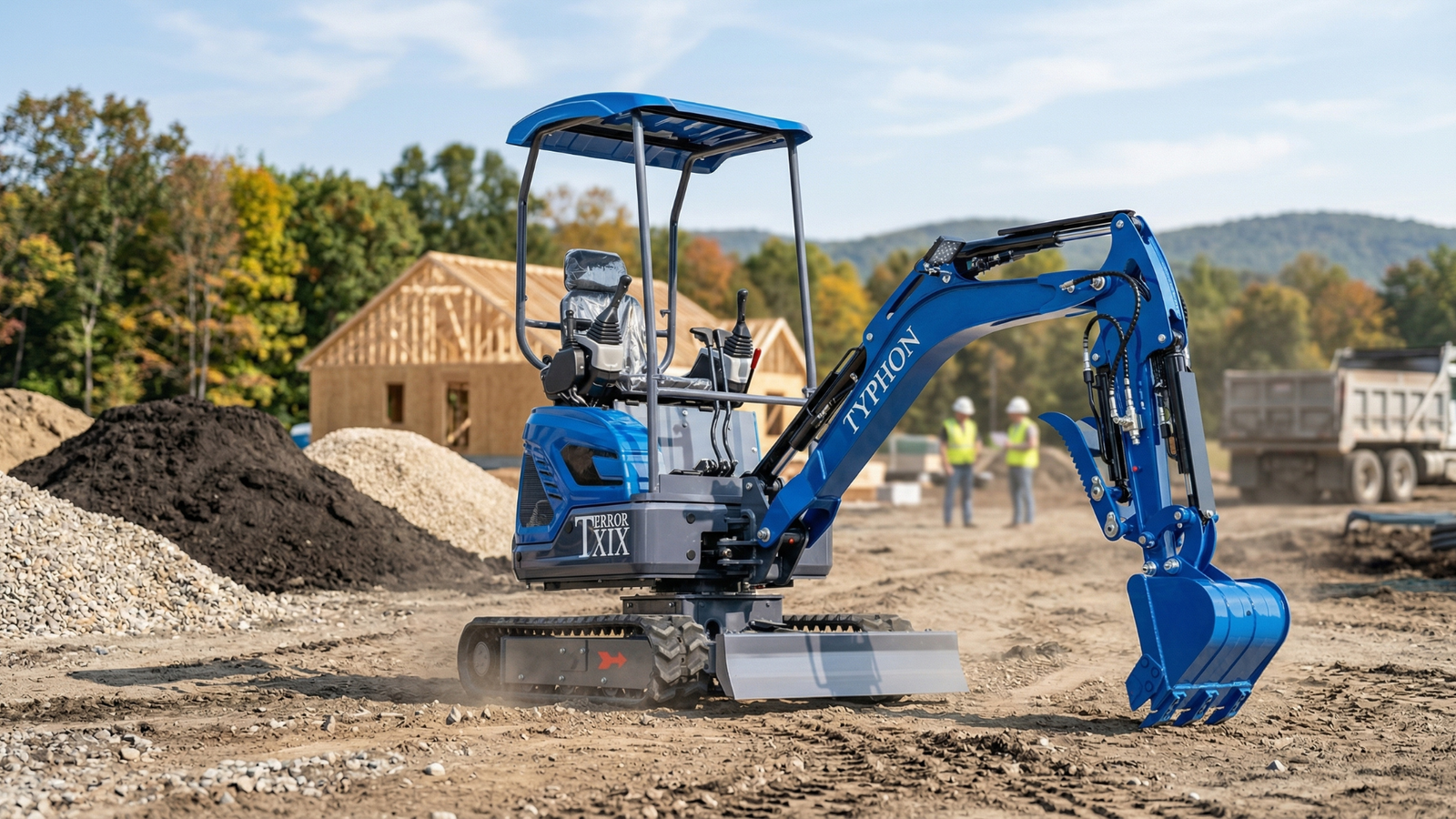
Why Attachments Are the Real Game-Changer in Construction
Maximizing efficiency on a job site remains the ultimate goal for any successful contractor. You need to complete projects faster, reduce your overhead costs, and deliver exceptional results for your clients. Achieving this high level of operational success requires more than just skilled labor. It requires intelligent, adaptable equipment strategies that keep your business moving forward.
For decades, the standard approach involved purchasing a dedicated machine for every specific task. If you needed to dig a trench, you bought a ride-on trencher. If you needed to clear brush, you bought a dedicated forestry tractor. This outdated model drained capital, complicated logistics, and left expensive machinery sitting idle for months.
The widespread adoption of high-quality construction equipment attachments has completely shattered that old model. By transforming a single base machine into a multi-tool powerhouse, attachments have revolutionized how professionals approach site preparation, demolition, and material handling. This guide explores exactly how these tools deliver massive cost savings, expand your capabilities, and secure a higher return on your investment.
The Evolution of Versatile Machinery
At its core, a skid steer, compact wheel loader, or excavator is essentially a mobile hydraulic power plant. Without a tool on the working end, the machine cannot perform any actual labor. Recognizing this, engineers shifted their focus away from building single-purpose heavy equipment. Instead, they focused on building robust base machines capable of driving hundreds of different interchangeable tools.
This engineering shift created a new era of versatile machinery. Contractors no longer look at an excavator as just a digging machine. They view it as a universal platform capable of lifting, crushing, sorting, and compacting. This fundamental change in perspective allows business owners to approach complex projects with extreme confidence.
When you invest in a versatile base machine and a suite of high-quality attachments, you insulate your business against market fluctuations. If residential housing construction slows down, you do not have to park your fleet. You simply swap your dirt buckets for hydraulic breakers and pivot your services toward commercial demolition or utility repair.
Driving Cost-Effectiveness on Every Job Site
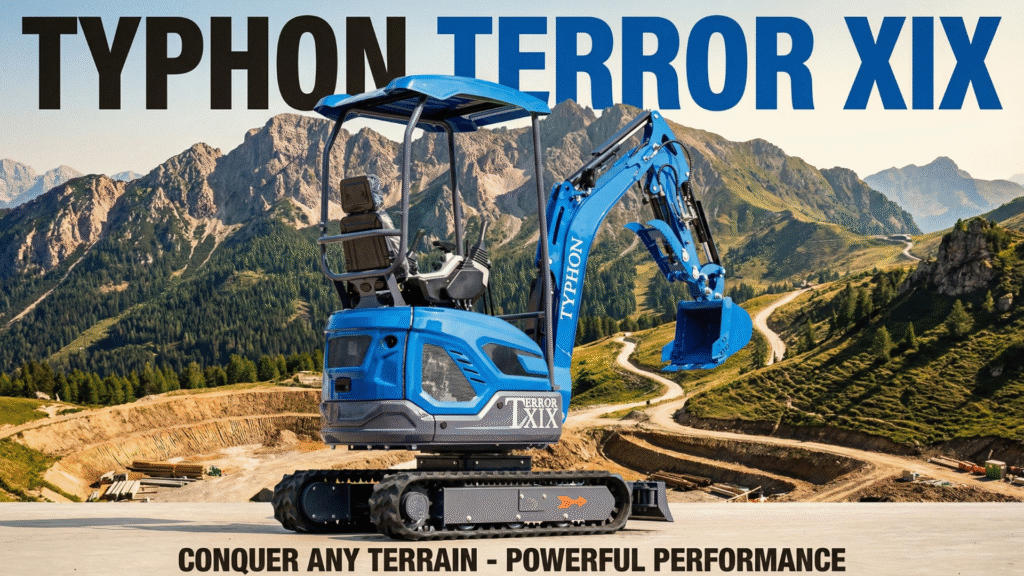
Financial efficiency is the backbone of a reliable contracting business. Purchasing an entire fleet of specialized machines requires a staggering amount of capital. It also requires you to secure extensive financing, which cuts deeply into your monthly cash flow.
Lowering Initial Capital Investment
Attachments provide a highly cost-effective alternative to buying new machinery. Purchasing a specialized attachment costs a small fraction of what you would pay for a dedicated machine featuring its own engine, cab, and undercarriage. You acquire the exact same functional capability without taking on massive debt.
This lower point of entry allows growing companies to scale their services naturally. You can take on a specialized fencing contract by simply purchasing a hydraulic auger for your existing skid steer. The revenue generated from that single project often pays for the attachment entirely, instantly turning the tool into a pure profit generator.
Reducing Maintenance and Transport Costs
Every engine you own requires routine maintenance. When you own specialized machines, you multiply your expenses for oil changes, filter replacements, and preventative service intervals. Attachments drastically simplify your fleet maintenance. Because they rely on the prime mover’s engine and hydraulic pumps, you only have to maintain one core piece of equipment.
Furthermore, transporting a single skid steer and a trailer full of attachments is remarkably simple. You can tow the entire package using a standard heavy-duty pickup truck. This eliminates the need to hire expensive commercial hauling services or coordinate multiple lowboy trailers just to get your equipment to the job site.
Boosting Productivity With Attachments
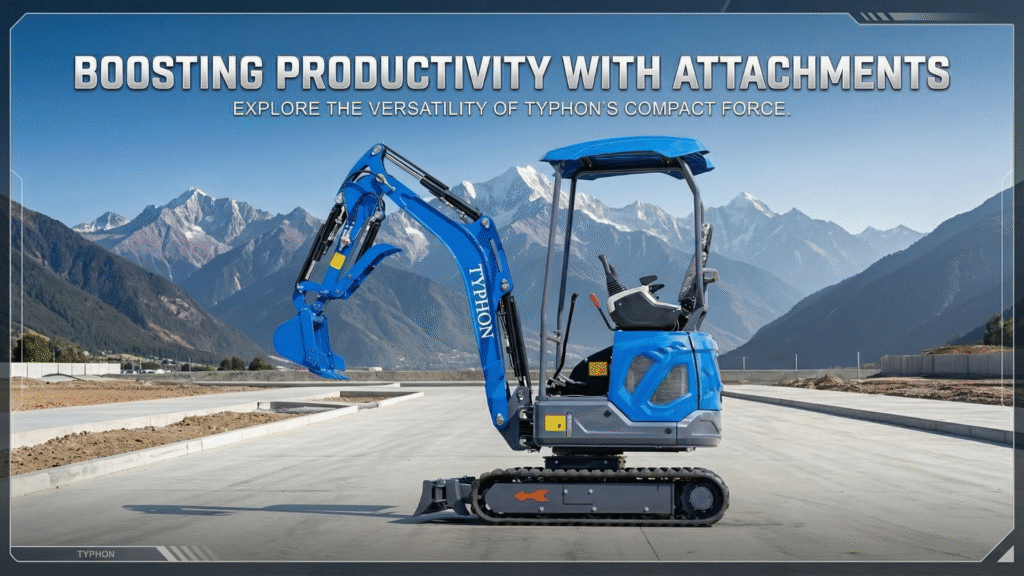
Time is your most valuable asset on any project. When your crew spends hours manually swapping tools or waiting for the right machine to arrive, your profit margins shrink. Boosting productivity with attachments eliminates these costly delays and keeps your operation running smoothly.
The Impact of Quick-Coupler Technology
Modern attachment systems feature advanced quick-coupler technology that makes tool changes effortless. Operators can drop a bucket and pick up a pallet fork in a matter of seconds. Many modern machines feature hydraulic quick-couplers, allowing the operator to lock the new tool into place without ever leaving the climate-controlled cab.
This rapid transition allows a single operator to handle multiple phases of a project seamlessly. They can use a bucket to excavate a foundation, switch to a fork to unload block from a delivery truck, and then attach a sweeper to clean the street. Keeping the operator in the cab and the machine in motion guarantees maximum daily output.
Minimizing Manual Labor
Relying on manual labor for heavy tasks slows your project down and exposes your crew to severe physical fatigue. Attachments mechanize the hardest jobs on the site. A hydraulic thumb on an excavator allows the operator to grasp and move heavy boulders that would otherwise require a team of workers to handle.
By mechanizing these exhausting tasks, you protect your crew from injury and keep their energy levels high. Your workers can focus on precision tasks rather than breaking their backs moving heavy materials. This strategic allocation of labor ensures your projects finish on schedule and meet the highest quality standards.
Replacing Specialized Machines: Real-World Examples
The true value of construction equipment attachments becomes obvious when you look at practical applications. Across every sector of the industry, contractors are replacing bulky, single-purpose machines with smart attachment solutions.
Demolition and Concrete Work
Commercial demolition previously required dedicated demolition rigs and large crews operating pneumatic jackhammers. Today, an excavator equipped with a hydraulic breaker completely replaces the jackhammer crew. The breaker shatters massive concrete slabs with incredible speed and precision.
Once the concrete is broken, the operator simply switches to a grapple attachment. The grapple securely clamps onto the uneven debris, allowing the operator to load it safely into a roll-off dumpster. One machine handles the entire demolition and cleanup process safely and efficiently.
Trenching and Utility Installation
Laying underground utility lines used to mean bringing a large, cumbersome ride-on trencher to the site. These machines were difficult to maneuver in residential backyards and caused significant damage to existing turf.
Now, contractors utilize trencher attachments mounted on compact wheel loaders. The loader easily navigates tight property lines and slices perfectly straight channels into the earth. Once the pipe is laid, the operator removes the trencher, attaches a standard bucket, and backfills the trench immediately.
Forestry and Land Clearing
Clearing thick brush and small trees requires massive cutting power. In the past, companies relied on large, dedicated forestry tractors that were difficult to transport and incredibly expensive to maintain.
A high-flow skid steer equipped with a forestry mulcher attachment delivers the exact same clearing power in a much smaller footprint. The mulcher shreds trees and dense vegetation instantly, turning the debris into a protective layer of mulch. This single attachment allows a standard earthmoving contractor to offer highly profitable land clearing services.
Maximizing Hydraulic Power Systems
To get the most out of your versatile machinery, you must understand your equipment’s hydraulic capabilities. The base machine must provide adequate hydraulic flow and pressure to drive the attachment properly.
Standard-flow hydraulic systems are perfect for basic attachments like buckets, grapples, and hydraulic sweepers. However, running demanding rotary tools like cold planers or mulchers requires a high-flow hydraulic system. High-flow systems push significantly more fluid per minute, ensuring the attachment maintains maximum cutting power even under heavy loads.
Always match the attachment’s requirements to your machine’s exact specifications. Consult with your equipment dealer to ensure complete compatibility. Providing the correct hydraulic power protects the attachment’s internal motors and guarantees professional, reliable performance on the job site.
Conclusion
Construction equipment attachments have fundamentally changed the way contractors build, demolish, and maintain properties. By transforming base machines into highly adaptable multi-tools, these attachments drive unprecedented efficiency. They drastically lower your capital expenditures, simplify your logistics, and empower your crew to work safer and faster.
Embracing versatile machinery ensures your business remains competitive, regardless of the challenges a project presents. Boosting productivity with attachments allows you to confidently bid on complex, multi-phase contracts without relying heavily on expensive subcontractors.
Take a thorough inventory of your current fleet this week. Identify any single-purpose machines that spend too much time sitting idle in your yard. Consider selling those underutilized assets and investing the capital into high-quality attachments. Consult with a trusted equipment expert to discover exactly which tools will expand your capabilities, improve your service offerings, and maximize your company’s profitability.