Free Shipping Within USA | 1-year Warranty
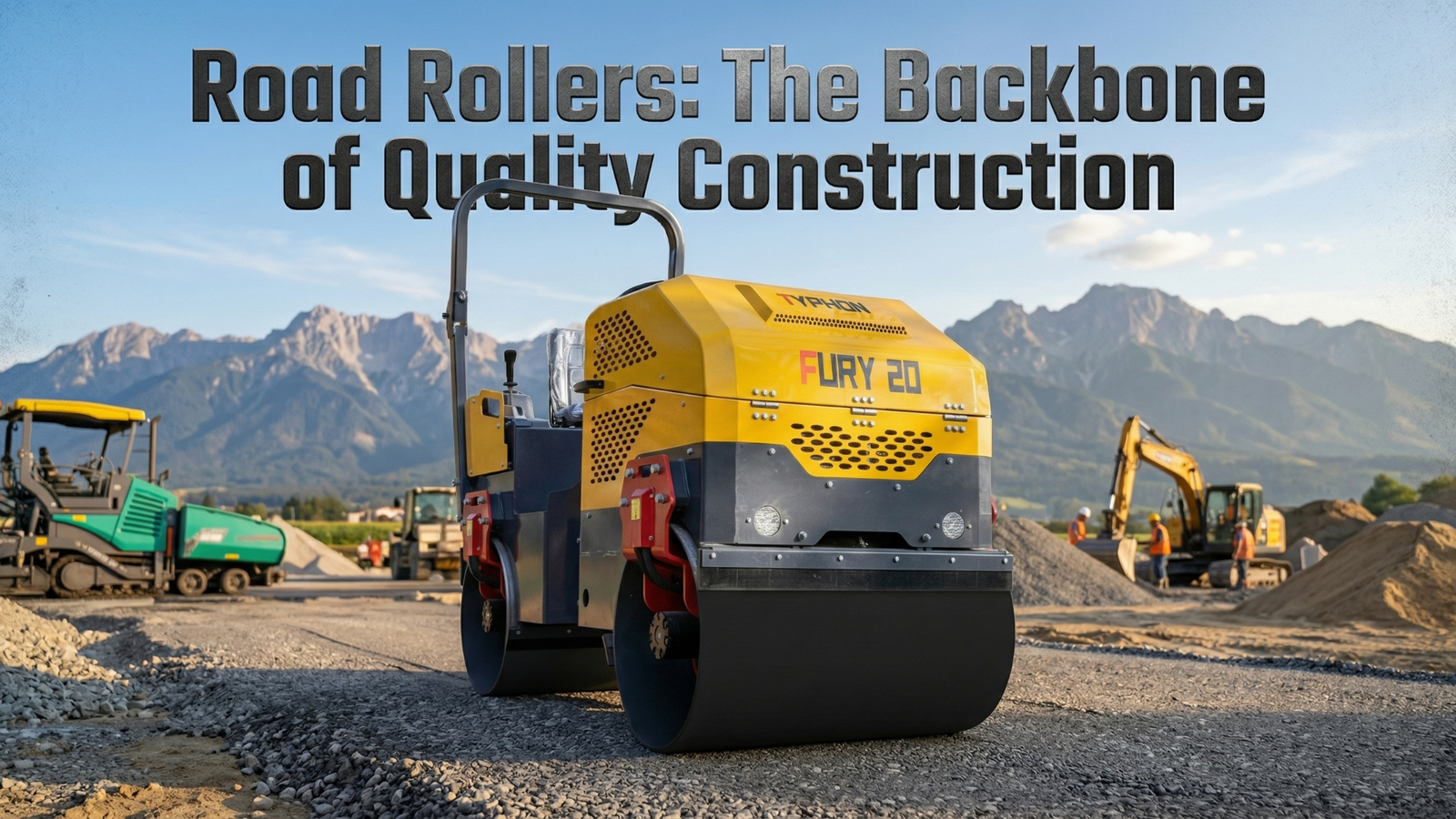
Road Rollers: The Backbone of Quality Construction
Every successful building, highway, and parking lot relies on a hidden foundation of densely packed earth and perfectly leveled asphalt. Without proper compaction, even the most expensive construction materials will eventually shift, crack, and fail under heavy loads. Road rollers serve as the undisputed heroes of the job site, providing the immense physical force required to lock soil particles and paving materials tightly together. Understanding how to deploy these powerful machines ensures your projects stand the test of time while protecting your professional reputation.
Contractors who prioritize high-quality compaction drastically reduce the risk of future structural failures and expensive warranty claims. A perfectly compacted sub-base prevents water infiltration and resists the natural freeze-thaw cycles that destroy weak roads. This guide explores the critical importance of road rollers, detailing the specific types available and the advanced features that drive daily efficiency. You will learn exactly how to match the right compaction equipment to your specific material needs, guaranteeing a superior return on your machinery investment.
The Critical Importance of Proper Compaction
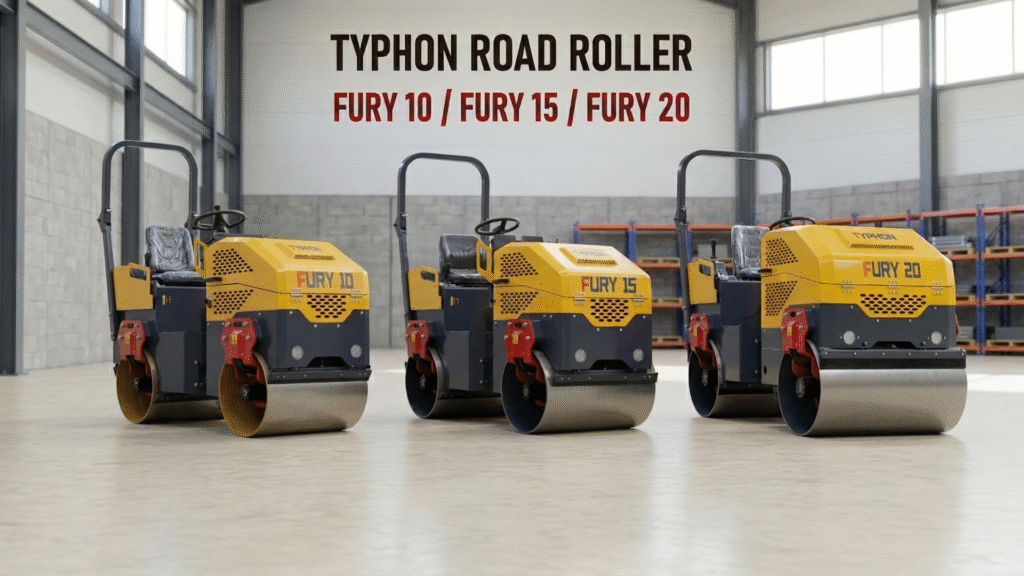
Soil naturally contains millions of microscopic air pockets and moisture gaps that compromise its ability to bear heavy weight. When you build directly over loose dirt, the eventual settling process creates massive sinkholes and uneven surfaces. Road rollers eliminate this risk by forcing the soil particles into a dense, tightly locked matrix. This mechanical densification process creates an unyielding foundation capable of supporting massive commercial structures and endless highway traffic.
Compaction also plays a vital role in the final stages of asphalt paving. Hot mix asphalt requires immediate, heavy pressure to achieve the exact density specified by project engineers. If the paving crew fails to roll the asphalt while it remains at the correct temperature, the road surface will quickly deteriorate under the friction of vehicle tires. Utilizing the correct road roller guarantees a smooth, durable finish that delights your clients and meets strict municipal building codes.
Understanding the Different Types of Road Rollers
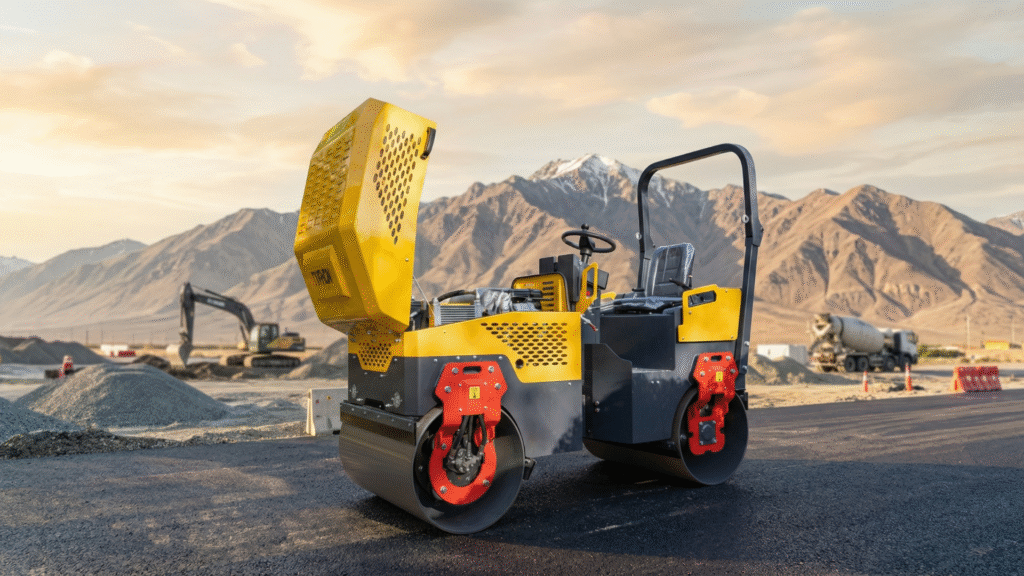
Manufacturers engineer different types of road rollers to solve highly specific job site challenges. Bringing the wrong roller to a project wastes valuable time and frequently damages the underlying materials. You must understand the distinct advantages of each machine to maximize your crew’s daily productivity. Let us examine the primary categories of compaction equipment used by successful contracting firms.
Single-Drum Rollers for Heavy Earthwork
Single-drum rollers feature a massive steel cylinder in the front and heavy pneumatic tires in the rear. These highly maneuverable machines dominate the early phases of site preparation, specializing in compacting thick layers of soil, gravel, and crushed stone. The heavy front drum delivers immense downward force, driving out air pockets deep within the sub-base material.
Contractors rely heavily on single-drum rollers for large commercial developments and major highway expansions. The rear tires provide exceptional traction, allowing the machine to climb steep gradients and navigate uneven terrain without becoming stuck. When your project requires moving and stabilizing thousands of cubic yards of raw earth, the single-drum roller serves as your most efficient tool.
Double-Drum Rollers for Precision Paving
When the project shifts from dirt to asphalt, the double-drum roller takes total control of the job site. These machines replace the rear tires with a second heavy steel drum, allowing the roller to compact the material with every single forward and backward pass. This dual-action compaction creates a perfectly flat, incredibly smooth surface free of tire marks or physical indentations.
Double-drum rollers lack the aggressive traction of their single-drum counterparts, making them strictly suited for flat, graded surfaces. Paving contractors use them extensively for highway surfacing, massive commercial parking lots, and municipal street repairs. The intense, even pressure provided by both drums ensures the hot asphalt achieves the strict density requirements necessary for long-term durability.
Pneumatic Tire Rollers for Kneading Action
Pneumatic tire rollers utilize multiple rows of staggered rubber tires instead of a solid steel drum. As these heavy tires roll over the surface, they create a unique kneading action that gently but firmly manipulates the material. This specialized movement seals the surface layer of asphalt, closing microscopic cracks and preventing water from penetrating the finished road.
These versatile machines also excel at compacting specific types of cohesive soils and reclaimed asphalt materials. The flexible rubber tires adapt slightly to the contours of the ground, ensuring consistent downward pressure across uneven surfaces. Many highway contractors deploy pneumatic rollers immediately behind their primary steel-drum machines to deliver the ultimate finishing touch to the pavement.
Padfoot Rollers for Cohesive Clay
Standard smooth drums simply slide over wet, sticky clay without actually compressing the material beneath the surface. To conquer cohesive soils, contractors use padfoot rollers, which feature heavy steel drums covered in prominent, tapered lugs. These heavy steel pads punch deeply into the clay, breaking up massive clods and forcing the moisture out of the earth.
As the padfoot roller makes multiple passes, the soil begins to compact from the bottom up. The heavy lugs continuously knead the clay until the machine literally walks itself out of the dirt, indicating the ground has reached maximum density. For contractors working in regions with heavy, stubborn clay deposits, the padfoot roller stands as an absolute necessity.
Essential Features That Drive Job Site Efficiency
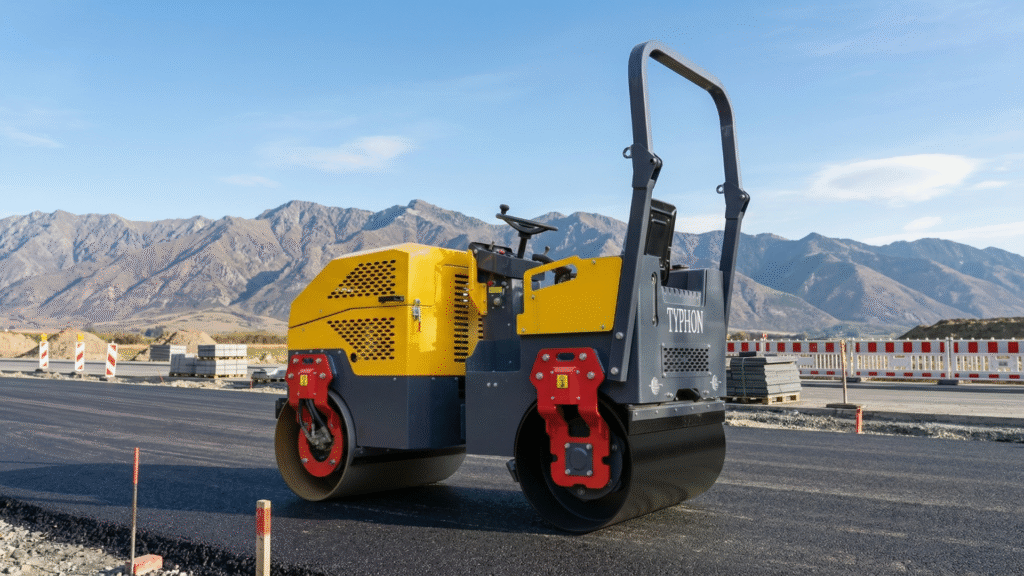
Modern road rollers offer a variety of advanced features designed to maximize raw compaction power while minimizing operator fatigue. Selecting a machine equipped with the right technology allows your crew to achieve target density in far fewer passes. This increased efficiency significantly reduces your daily diesel fuel consumption and accelerates your overall project timeline.
Dynamic Vibration Systems
Static weight alone rarely provides enough force to compact thick layers of dense aggregate. Most modern steel-drum rollers feature internal eccentric weights that spin rapidly, creating an intense, rhythmic vibration. This dynamic energy travels deep into the ground, violently shaking the soil particles and forcing them to settle into an incredibly tight formation.
Operators can easily adjust the amplitude and frequency of this vibration directly from the cabin controls. High amplitude delivers massive, deep-penetrating impacts for thick dirt, while high frequency provides rapid, shallow taps perfect for thin layers of asphalt. Mastering these vibration settings allows your operators to adapt to changing material conditions instantly.
Integrated Water Sprinkler Systems
When compacting fresh asphalt, the sticky black material easily adheres to the hot steel drum. If the asphalt sticks to the roller, it rips chunks out of the freshly paved road, completely destroying the smooth finish. To prevent this disaster, double-drum rollers feature integrated water sprinkler systems that continuously coat the drums with a fine mist of water.
This thin barrier of moisture cools the steel surface and prevents the hot asphalt from bonding to the machine. Professional-grade rollers utilize heavy-duty water pumps and specialized filtration systems to ensure the spray nozzles never clog during a critical paving run. Keeping the drums perfectly clean ensures your clients receive a flawless, aesthetically pleasing road surface.
How to Choose the Right Roller for Your Project
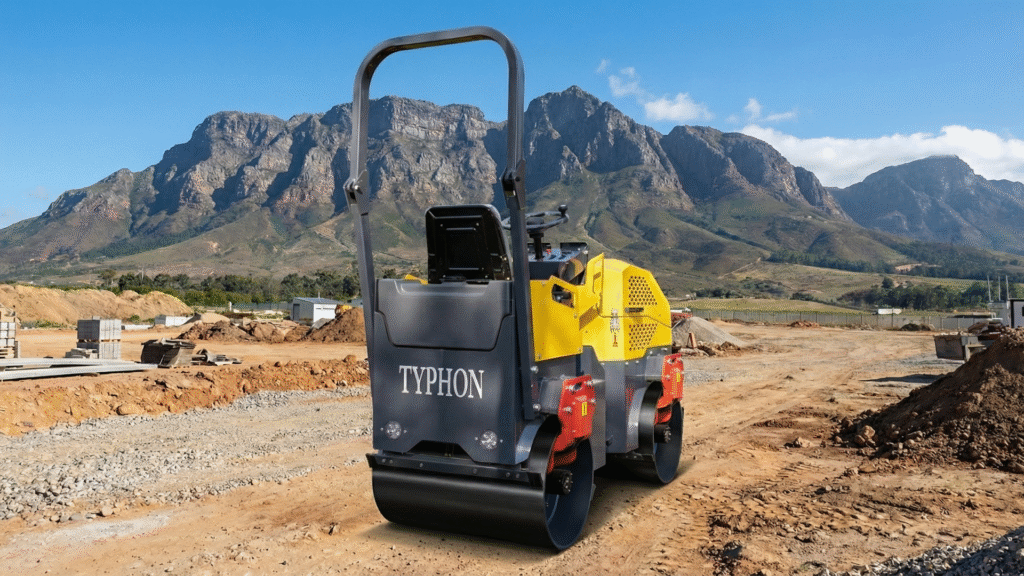
Selecting the perfect compaction equipment requires a careful analysis of your daily contracting operations. You must base your acquisition strategy on the specific materials your crew handles most frequently. If your company exclusively pours concrete foundations and grades the surrounding dirt, investing in a heavy single-drum roller makes perfect financial sense.
Conversely, if you run a dedicated asphalt paving business, your capital is invested in premium double-drum and pneumatic tire rollers. You must also consider the physical size of your typical job sites. A massive vibratory roller that excels on an open highway will prove incredibly frustrating and dangerous to operate in a tight residential driveway.
Always evaluate the operating weight and the specific drum width before making a final purchasing or rental decision. Matching the machine’s capabilities to your precise operational demands protects your working capital and ensures high daily utilization rates. When you arm your crew with the correct tools, your profit margins naturally expand.
Conclusion
Road rollers serve as the indispensable backbone of every high-quality construction and paving project. By understanding the distinct advantages of single-drum, double-drum, pneumatic, and padfoot rollers, you ensure your crew always arrives prepared for the specific terrain. Investing in advanced features like dynamic vibration and reliable water systems further maximizes your daily productivity and protects your project timelines.
Take the time to evaluate your upcoming contracts and ensure your compaction equipment aligns perfectly with your material needs. When you prioritize highly reliable, perfectly sized road rollers, you guarantee your projects stand strong against the test of time. Smart equipment investments build a rock-solid foundation for your contracting business, ensuring exceptional client satisfaction and long-term financial success.