Free Shipping Within USA | 1-year Warranty

How to Optimize Wheel Loader Performance for Faster Cycles
When moving a lot of stuff on a busy construction site, every second matters. When your heavy machinery is running at its best, you can finish contracts faster, keep your clients happy, and protect your profit margins. But even the best machines need careful planning and operation to work at their best. Your whole project schedule will be messed up if your loading cycles take too long.
We know that contractors have a lot of pressure to keep materials moving smoothly. You depend on your fleet to keep up with your work without stopping. This guide gives you practical tips for improving loader performance that will save you important seconds on every cycle. We will talk about how to use buckets correctly, use advanced operator techniques, get rid of unnecessary idle time, and keep your equipment in good shape so it works perfectly every day.
By mastering these operational strategies, you will optimize loader efficiency and elevate your company’s overall output. For a broader understanding of how these machines transform jobsite logistics, we highly recommend reading our foundational guide on How Wheel Loaders Improve Material Handling Efficiency on Construction Sites. Let us explore exactly how you can push your heavy machinery to deliver the absolute best results for your business.
Mastering Proper Bucket Usage
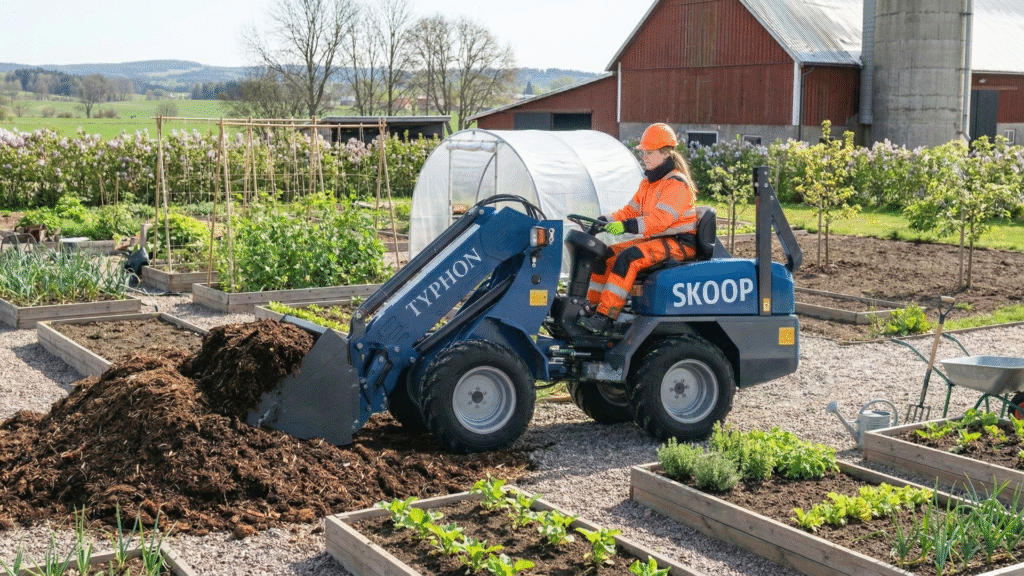
The bucket represents the primary point of contact between your wheel loader and your jobsite materials. How your operator utilizes this essential tool dictates the speed and success of the entire loading cycle. Optimizing bucket usage guarantees you move the maximum amount of material with the least amount of mechanical effort.
Selecting the Right Bucket for the Material
You must match your bucket specifically to the density and weight of the material you intend to move. Using an oversized bucket for highly dense materials, like wet clay or solid rock, immediately overloads the machine. This overload triggers the hydraulic relief valves, severely slowing down the lifting process and threatening the stability of the loader.
Conversely, using a small, heavy-duty rock bucket to move light wood chips forces your operator to make dozens of unnecessary trips. You must equip your loader with a bucket that allows you to reach the machine’s safe operating capacity in a single scoop. Selecting the perfect bucket minimizes your total passes and directly improves your wheel loader cycle time.
Filling the Bucket Effectively
Operators must approach the material pile with a clear, strategic plan. Driving blindly into a compacted pile of dirt causes the tires to spin, wasting expensive fuel and destroying your expensive rubber treads. The operator should keep the bucket flat and parallel to the ground as it enters the pile.
Once the bucket penetrates the material, the operator must simultaneously drive forward while gently curling the bucket upward. This fluid, scooping motion forces the material to roll backward into the bucket, filling it completely without stalling the engine. A fully heaped bucket on the very first attempt eliminates the need to back up and ram the pile a second time.
Proven Operator Techniques for Faster Cycles
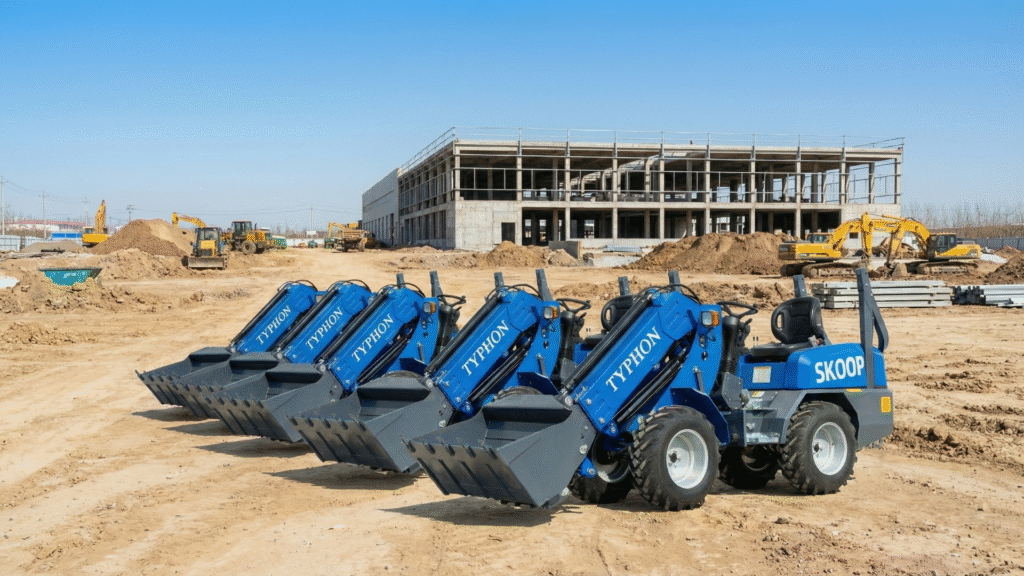
The skill level of the person sitting inside the cabin determines the ultimate productivity of the machine. Investing in professional operator training yields a massive return on investment. By teaching your crew advanced loading techniques, you empower them to work smarter, safer, and significantly faster.
The V-Pattern Loading Method
The V-pattern stands as the most efficient method for loading commercial dump trucks. In this specific setup, the dump truck parks at a 45-degree angle to the material stockpile. The wheel loader operator drives forward to scoop the material, reverses in a straight line, turns the machine, and drives forward to dump the load into the truck.
This specific driving pattern forms a distinct “V” shape on the ground. It drastically minimizes the distance the loader must travel between the pile and the truck. By keeping the travel distance as short as possible, you consistently achieve the fastest possible wheel loader cycle time. Ensure your operators practice this pattern until it becomes completely second nature.
Smooth Hydraulic Control
Aggressive, jerky movements do not equate to faster loading cycles. When an operator slams the hydraulic joysticks back and forth, the machine violently bounces and spills material. This erratic operation forces the operator to stop and clean up the spilled dirt, instantly destroying their efficiency.
You must encourage your operators to use smooth, deliberate hydraulic inputs. Fluid movements keep the center of gravity stable, allowing the machine to travel faster while carrying a heavy, heaped bucket. Smooth operation also reduces the physical strain on the machine’s internal components, protecting your investment from premature mechanical failure.
Strategies to Reduce Idle Time
An idling wheel loader burns expensive diesel fuel while generating absolutely zero revenue for your business. Reducing jobsite idle time represents one of the most effective loader performance tips available to modern contractors. You must scrutinize your daily operations to identify and eliminate the bottlenecks keeping your machines sitting still.
Jobsite Layout and Traffic Flow
Poor jobsite planning frequently forces wheel loaders to wait for clear pathways. If your dump trucks struggle to back into the loading zone, your loader operator must sit idle while the truck maneuvers. You must design a logical, highly efficient traffic flow for your entire site before the heavy digging begins.
Establish clear, one-way travel lanes for your commercial hauling trucks. Ensure the loading zones feature plenty of wide, open space so trucks can pull in and out without difficult reversing maneuvers. When the trucks cycle through the site smoothly, your wheel loader never has to wait to dump its next load.
Utilizing Modern Telematics
You cannot optimize loader efficiency if you do not actively track your machine’s daily performance data. Modern construction equipment features advanced digital telematics systems that monitor the engine’s exact behavior. These systems send detailed reports directly to your fleet manager’s computer or smartphone.
Reviewing these digital reports allows you to see exactly how many hours your machine spends working versus how many hours it spends idling. If you notice a specific machine idling for excessive periods, you can investigate the jobsite to locate the logistical holdup. Using data to drive your operational decisions ensures you maximize the return on your massive capital investments.
Essential Maintenance Tips to Optimize Loader Efficiency
Even the best operators cannot achieve fast cycle times if the machine suffers from neglected maintenance. Mechanical degradation happens slowly, quietly robbing your loader of its raw power and speed. Implementing a strict preventative maintenance program guarantees your machinery always delivers peak performance.
Daily Walkaround Inspections
Your operators must conduct a comprehensive visual inspection before they turn the ignition key every morning. They must check the ground for fresh fluid leaks and inspect the heavy steel lifting arms for hairline cracks. Catching minor wear and tear early prevents catastrophic breakdowns during high-volume material handling shifts.
Greasing the loader’s pivot pins serves as the most critical daily maintenance task. The massive steel joints that connect the boom arms to the bucket endure immense physical friction. Pumping fresh grease into these joints ensures the boom arms rise and lower with zero resistance, maintaining your rapid lift speeds.
Tire Pressure and Tread Care
The tires serve as the foundation of your wheel loader’s stability and pushing power. Operating a loader with underinflated tires causes the machine to bounce heavily when carrying a full bucket. This dangerous bouncing forces the operator to drive much slower, immediately ruining your cycle times.
You must check the tire pressure weekly using a calibrated commercial gauge. Additionally, you should inspect the thick rubber treads for deep cuts or embedded debris. Maintaining the proper tire pressure ensures maximum traction when pushing into dense material piles, allowing the machine to capture a full bucket of dirt effortlessly.
Strict Filter Replacements
Your wheel loader relies on clean air, fuel, and hydraulic fluid to generate its massive breakout force. Heavy jobsite dust rapidly clogs the engine air filters, starving the diesel engine of oxygen and causing a severe drop in horsepower. A weak engine simply cannot push the hydraulic pumps fast enough to maintain rapid cycle times.
You must adhere strictly to the manufacturer’s recommended service intervals for all primary filters. Changing the hydraulic filters ensures clean, pressurized fluid flows freely to the lifting cylinders without restriction. When you prioritize clean fluids and filters, you optimize loader efficiency and extend the overall lifespan of your expensive machinery.
Maximize Your Material Handling Productivity Today
Securing a highly profitable contracting business requires relentless attention to operational details. You now understand exactly how to optimize wheel loader performance through strategic planning and precise execution. By focusing on proper bucket usage, advanced operator techniques, and strict preventative maintenance, you empower your crew to move massive volumes of material faster than ever before.
We encourage you to observe your current jobsite loading operations this week. Identify where operators might struggle with improper bucket selection or inefficient driving patterns. By implementing these authoritative loader performance tips, you instantly reduce your wheel loader cycle time, lower your daily operating costs, and deliver superior results for your clients.