Free Shipping Within USA | 1-year Warranty

Excavator Swing Speed: Why It Matters and How to Optimize It
Every movement on a construction site comes with a cost, and efficiency directly impacts both project timelines and budgets. One of the most important factors influencing this efficiency is excavator swing speed—the rate at which your machine can rotate its upper structure during a digging cycle. This metric may seem simple, but it plays a huge role in overall productivity and operational control.
Understanding the mechanics behind swing speed gives operators and fleet managers a competitive advantage. Faster swings can reduce cycle times, allowing projects to finish on schedule, while precise control ensures that materials are moved safely and accurately. Different attachments, load types, and job site conditions all influence the ideal swing speed, meaning that one-size-fits-all settings rarely work in practice.
In this guide, we’ll dive deep into what swing speed really means and why it matters for every task—from trenching and grading to loading trucks or moving debris. You’ll learn actionable strategies to balance speed with precision, so your excavator can work quickly without sacrificing safety or putting unnecessary stress on components.
By mastering swing speed and applying best practices, you can protect your equipment, keep your crew safe, and maximize machine efficiency. Optimized excavator performance not only improves daily productivity but also enhances your reputation, helping your business deliver reliable, professional results on every job site.
What Is Excavator Swing Speed?
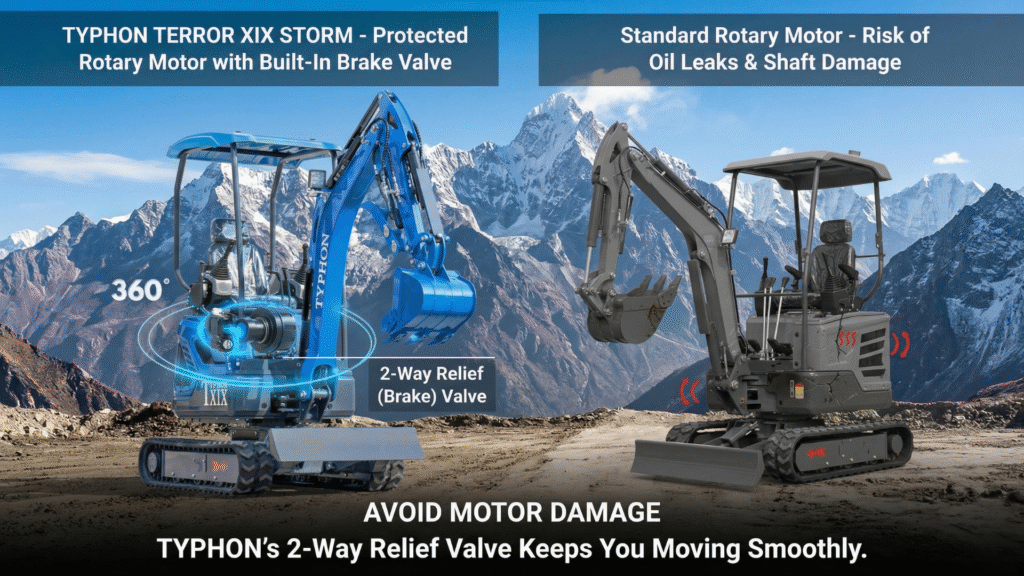
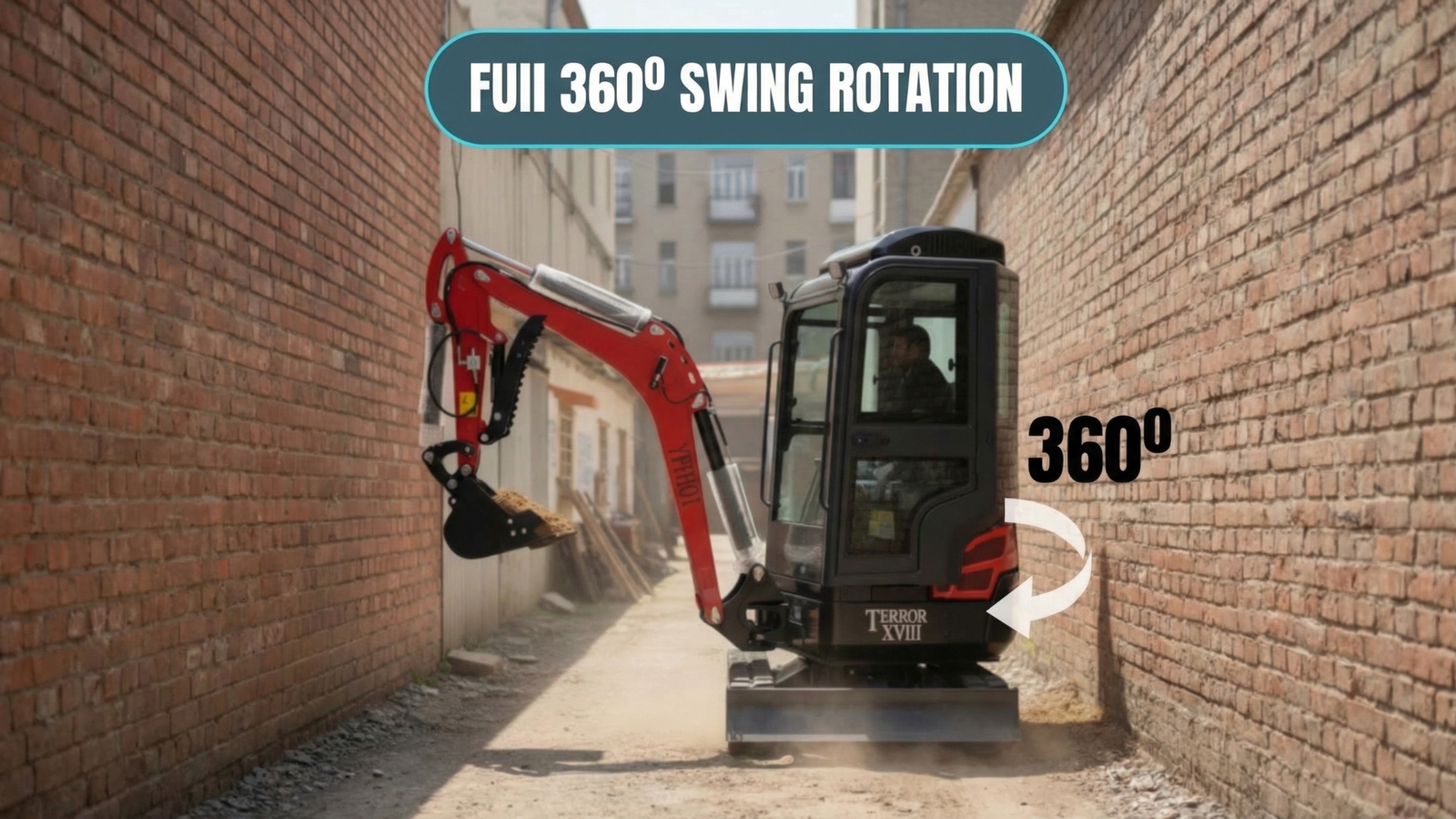
Excavator swing speed measures how fast the machine’s upper house rotates on its track frame. We measure this rotational speed in revolutions per minute (RPM). An independent hydraulic motor sits inside the machine and drives a massive swing gear. This gear allows the cab, engine, and boom assembly to pivot continuously in a full circle.
When an operator pushes the left joystick sideways, hydraulic fluid rushes into the swing motor. The motor converts this fluid pressure into rotational force. A faster RPM means the upper structure can travel from the trench to the spoil pile in a shorter amount of time.
Machine size directly influences the factory-rated rotation speed. Compact mini excavators boast highly responsive, fast swing speeds because they carry less physical weight. Conversely, massive production excavators rotate much slower due to the sheer mass of their heavy counterweights and extended booms.
The Importance of Swing Speed on the Job Site
The importance of swing speed becomes obvious when you analyze a standard earthmoving cycle. A typical cycle involves digging the material, swinging to the dump location, releasing the material, and swinging back to the trench. The two swinging phases consume a massive portion of this total cycle time.
Consider a bulk excavation project requiring thousands of bucket loads. If an operator takes ten seconds to complete one full cycle, they move a specific amount of dirt per hour. If optimizing excavator performance shaves just two seconds off that cycle, the daily production volume skyrockets.
Over the course of a ten-hour shift, those saved seconds translate into hundreds of additional cubic yards moved. This increased productivity directly lowers your fuel costs per ton and boosts your overall profit margins. Reliable, fast rotation is the heartbeat of a profitable earthmoving operation.
How Swing Speed Impacts Different Tasks
You cannot treat every digging task the same way. The job site environment dictates how operators must manage their machine’s rotation. Understanding these differences ensures your crew works efficiently and safely.
Trenching and Pipe Laying
Digging a straight utility trench requires a steady, predictable rhythm. The operator pulls a bucket of dirt, swings 90 degrees, dumps the soil, and returns to the trench line. Consistent excavator swing speed keeps the ground crew working at a reliable pace.
When laying heavy concrete pipe, operators must alter their approach. Precision instantly becomes more important than raw speed. Swinging too fast with a suspended load causes the heavy pipe to act like a pendulum. Operators must utilize slow, deliberate rotation to guide the pipe exactly into place without endangering the workers below.
Truck Loading and Material Handling
Loading articulated dump trucks is an exercise in pure volume and cycle efficiency. In this scenario, high rotation speed is absolutely crucial. The faster the operator can transfer material from the stockpile to the truck bed, the faster that truck can transport the dirt.
Operators must blend their hydraulic functions seamlessly to maximize loading speed. They raise the boom and rotate the house simultaneously. This overlapping movement creates a smooth diagonal path to the truck, cutting out wasted seconds and maximizing total output.
Demolition and Heavy Sorting
Demolition work introduces massive physical stress to heavy equipment. Operators often use heavy attachments like hydraulic shears, concrete pulverizers, or processor jaws. These massive tools add significant weight to the end of the stick.
This added weight changes the machine’s center of gravity drastically. Swinging a heavy attachment at maximum RPM creates intense sideways momentum. Operators must prioritize controlled rotation over speed to prevent the machine from rocking violently or tipping over uneven rubble.
Balancing Speed and Precision
Raw speed without control creates dangerous job site conditions. A heavy bucket filled with wet clay carries immense kinetic energy during a fast swing. If an operator stops the rotation abruptly, that energy must go somewhere.
Sudden stops shock the machine’s structural components heavily. This harsh braking causes excessive wear on the swing bearing, stresses the boom pins, and introduces severe bouncing. The bouncing shakes the operator inside the cab, accelerating physical fatigue over a long shift.
Professional operators learn to feather their hydraulic controls. Easing into the swing gradually and decelerating smoothly prevents material spillage and protects the equipment. A smooth, controlled cycle often results in more dirt being moved at the end of the day because the operator wastes no time waiting for the bouncing machine to settle.
Practical Tips for Optimizing Excavator Performance
You do not need to modify your machine’s internal hydraulic pumps to improve cycle times. You can achieve massive efficiency gains through proper setup and intelligent operational habits.
Strategic Machine Positioning
The absolute most effective way to improve cycle times involves strategic machine placement. Always position the excavator so the dump truck or spoil pile sits at a 45- to 90-degree angle from the digging face.
Forcing the machine to swing 180 degrees wastes valuable time and burns unnecessary fuel. By minimizing the required degree of rotation, you instantly shorten the cycle distance. This simple adjustment represents the easiest method for optimizing excavator performance without pushing the equipment harder.
Managing Hydraulic Power Distribution
You must understand how your machine prioritizes its hydraulic flow. When you pull the boom up, curl the bucket, and swing the house simultaneously, the main control valve must divide the fluid.
Sometimes, demanding too many actions at once causes the swing motor to starve for oil, slowing the rotation significantly. Operators must learn the unique flow characteristics of their specific machine. Adjusting the timing of your joystick inputs ensures the swing motor receives the hydraulic power it needs precisely when it needs it.
Routine Maintenance Checks
Routine maintenance guarantees your equipment maintains its factory-rated swing capabilities. The massive swing bearing beneath the cab requires consistent, high-quality lubrication. You must grease this bearing strictly according to the manufacturer’s service intervals.
Furthermore, you must check the swing motor gear oil regularly. Ignoring these vital components creates intense internal mental friction. This friction slows the machine down noticeably and eventually leads to catastrophic, highly expensive mechanical failures. Clean filters, fresh oil, and adequate grease are the foundation of a reliable machine.
Conclusion
Excavator swing speed plays a crucial role in both productivity and profitability on any earthmoving project. By understanding and managing this metric, you can reduce cycle times, keep projects on schedule, and improve your bottom line. Efficient machine rotation moves more material in less time, translating directly into faster completion and cost savings.
Training operators to position their excavators strategically before digging is essential. Encourage them to balance fast rotation with smooth, precise control to protect swing bearings, hydraulic systems, and other key components. These habits keep your crew safe and reduce costly repairs.
Regular maintenance is equally important. Inspect swing bearings, check hydraulic fluid levels, and ensure components are clean and functioning properly. Reviewing site setup procedures can also minimize unnecessary rotation, lowering machine stress and extending lifespan.
By combining proactive maintenance with smart operator practices, your excavator fleet will perform reliably under any conditions. Optimizing swing speed not only boosts daily productivity but also safeguards your investment, enhances safety, and ensures professional results on every project.