Free Shipping Within USA | 1-year Warranty

Double-Sided Throttle Valves for Hydraulic Control
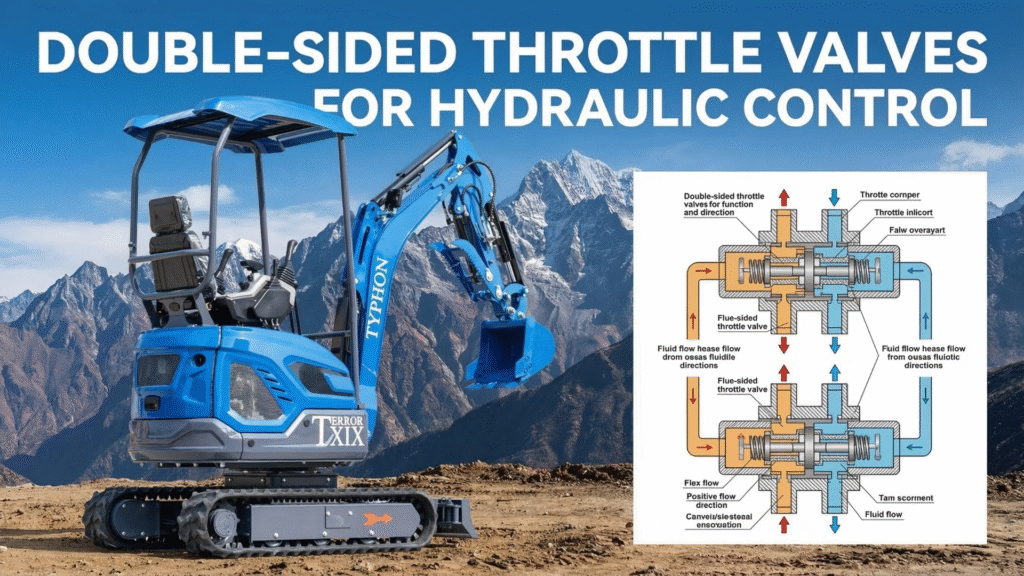
Heavy machinery relies on immense power to conquer demanding earthmoving and construction projects. However, raw power without strict regulation leads to dangerous and inefficient working conditions. You need exact, predictable movements when maneuvering thousands of pounds of steel or digging near critical underground utilities. This exactness comes directly from sophisticated hydraulic control systems. A crucial component within these complex networks is the double-sided throttle valve.
This ingenious mechanical device governs how pressurized fluid flows through the machine’s internal veins. Managing this flow is the key to mastering the equipment’s behavior on the job site. We will explore how this specific valve works and why it remains vital for modern earthmoving equipment.
You will learn how it enhances precision, boosts operational efficiency, and maximizes safety across all your projects. By understanding the mechanics behind the controls, you can make informed decisions about the equipment you trust to build your business.
Understanding the Fundamentals of Hydraulic Flow
Hydraulic systems transmit power by pushing pressurized fluid through confined spaces. The main engine drives a pump, which generates a continuous flow of hydraulic oil. However, this fluid needs specific direction and strict regulation to perform useful, controlled work. Without specialized valving, fluid would rush into cylinders uncontrollably, causing heavy attachments to slam open or shut violently.
You must control the speed of every actuator, whether it is a massive boom cylinder, a delicate bucket linkage, or a powerful swing motor. The speed of a hydraulic cylinder depends entirely on the volume of fluid entering and exiting its chambers. If you want the cylinder to move slower, you must restrict the flow of fluid.
This is where throttle valves enter the equation. They act as strategic chokepoints within the hydraulic circuit. By understanding how these chokepoints operate, you gain a deeper appreciation for the engineering that keeps your job site running smoothly.
What Exactly Is a Double-Sided Throttle Valve?
A basic throttle valve restricts the flow of hydraulic oil, functioning much like a faucet controlling water in your kitchen sink. By narrowing the internal passageway, the valve slows down the fluid moving into or out of a specific hydraulic cylinder. A standard, single-sided throttle valve regulates flow in only one direction, allowing free, unrestricted flow in the reverse direction.
A double-sided throttle valve takes this concept a crucial step further. It restricts and regulates the flow of hydraulic oil in both directions simultaneously. When pressurized fluid enters the cylinder to extend an excavator arm, the valve tightly controls the entry speed. When the fluid eventually exits that same cylinder to retract the arm, the valve also regulates the exit speed.
This bidirectional restriction gives equipment operators total, unwavering command over the machine’s movements. The valve maintains a consistent backpressure on the hydraulic fluid at all times. This constant pressure prevents the weight of the load from dictating the speed of the machine’s movement.
Achieving Precision in Heavy Machinery
Precision in heavy machinery separates successful, profitable projects from costly, time-consuming disasters. When you operate an excavator in a tight urban environment, you often need to move the bucket just a fraction of an inch. A double-sided throttle valve makes these careful micro-movements possible.
By carefully metering the fluid leaving the cylinder, the valve prevents the actuator from moving faster than the main pump can supply new fluid. This specific process eliminates the jerky, unpredictable motions that often plague older or poorly maintained equipment. You receive a smooth, proportional response every single time you engage the operator joysticks.
This level of control is exceptionally important when performing delicate tasks. Grading a level trench bottom, placing heavy concrete pipes, or maneuvering materials around existing structures requires absolute finesse. The double-sided throttle valve ensures that your machine responds to your commands with exact, predictable accuracy.
Preventing Cavitation and Internal Damage
Beyond simply smoothing out the physical movements of the machine, double-sided throttle valves protect the internal health of your hydraulic system. Heavy loads create immense physical forces that want to pull the hydraulic cylinders open or closed rapidly. If a heavy load pulls a cylinder open faster than the pump can fill the expanding chamber with oil, a dangerous void forms inside the cylinder.
This phenomenon is known as cavitation. Cavitation causes microscopic vapor bubbles to form and violently collapse within the hydraulic fluid. These collapsing bubbles generate shockwaves that pit and destroy the smooth metal surfaces of the cylinder walls and seals.
A double-sided throttle valve actively prevents cavitation from occurring. By restricting the oil exiting the cylinder, it forces the cylinder to move only as fast as the pump can fill the opposing side. This maintains a solid column of oil on both sides of the piston at all times, protecting your expensive components from catastrophic internal wear.
Elevating Job Site Safety Standards
Safety remains the highest priority for any professional construction or landscaping operation. Heavy machinery poses inherent risks, especially when lifting suspended loads. A sudden drop or a jerky swing can injure ground workers or severely damage surrounding property.
Hydraulic control plays a direct role in mitigating these serious risks. When you use an excavator to lift a heavy concrete barrier, the weight of that barrier constantly fights against the hydraulic pressure. If a valve opens too quickly or fails to regulate the exiting fluid, the load could plummet uncontrollably.
The double-sided throttle valve acts as a mechanical safeguard against runaway loads. Because it restricts flow in both directions, it ensures that gravity cannot overpower the hydraulic circuit. The machine will only lower the load at the exact speed dictated by the operator’s input on the joystick. This predictable handling inspires confidence and ensures a safer environment for everyone on the job site.
Enhancing Operational Efficiency and Fuel Economy
Smooth, precise hydraulic control directly translates to better operational efficiency. When an operator battles a jerky, unpredictable machine, they waste valuable time correcting over-swinging or over-digging. These constant corrections slow down the overall cycle times of the equipment.
A machine equipped with superior valving allows the operator to move confidently and fluidly. They can dig, swing, and dump in one continuous, graceful motion. This fluidity shaves crucial seconds off every single cycle. Over the course of a long workday, these saved seconds add up to significantly more material moved and higher overall productivity.
Furthermore, smooth operation reduces the strain on the diesel engine. Sudden pressure spikes and jerky movements force the engine to work harder, consuming more fuel. By regulating the hydraulic flow smoothly, the double-sided throttle valve helps maintain a steady engine load. This optimization maximizes your fuel economy and reduces your daily operating costs.
The Importance of Precise Hydraulic Control
In heavy equipment, true performance isn’t just about power—it’s about control. Advanced hydraulic systems are designed to give operators precise, predictable control over every movement, from lifting and digging to fine, delicate adjustments.
High-quality valves and well-engineered fluid circuits ensure that the boom, arm, and bucket respond smoothly and accurately, even under heavy loads. Sophisticated throttle mechanisms allow for granular control, making it possible to handle both delicate tasks and demanding operations with the same machine.
Reliable hydraulic management improves efficiency, enhances safety, and reduces wear on critical components. By prioritizing precision and responsiveness, operators can trust their equipment to perform consistently and confidently, no matter the job site challenge.
Maintenance Practices for Optimal Valve Performance
To ensure your hydraulic control remains sharp and responsive, you must prioritize proactive maintenance. Throttle valves rely on incredibly tight internal tolerances to meter fluid accurately. The primary enemy of these precision components is fluid contamination.
Microscopic particles of dirt or metal can easily lodge inside the narrow passageways of a throttle valve. This contamination restricts fluid flow irregularly, causing the machine’s movements to become sluggish or erratic. You must adhere strictly to the hydraulic fluid and filter replacement intervals outlined in your owner’s manual.
Always clean the area around the hydraulic fill cap before adding fresh oil to prevent introducing external dirt into the reservoir. Regular visual inspections of all valve blocks and hoses will help you identify minor weeping or leaks before they escalate into major pressure losses. By keeping your hydraulic fluid pristine, you protect the intricate valves that govern your machine’s behavior.
Conclusion
The double-sided throttle valve is a masterclass in mechanical engineering, sitting quietly at the center of your machine’s capabilities. It transforms raw, violent hydraulic pressure into smooth, purposeful action. By restricting fluid flow in both directions, this essential component grants operators unmatched precision, protects internal cylinders from cavitation, and drastically elevates job site safety.
Understanding the role of these sophisticated valves helps you appreciate the true value of high-quality heavy machinery. We encourage you to review your current equipment maintenance schedules to ensure your hydraulic fluids remain clean and effective. Investing in reliable machinery and maintaining its intricate control systems guarantees that you always have the exact power you need, precisely when you need it.