Free Shipping Within USA | 1-year Warranty
How to Choose the Right Construction Equipment for Your Project
Securing the right machinery dictates the ultimate success and profitability of your entire contracting operation. When you deploy the correct heavy iron, your crew works efficiently, your deadlines remain intact, and your safety record stays pristine. Conversely, selecting the wrong machinery immediately leads to catastrophic project delays and massive financial losses. Every job site presents a unique combination of spatial limitations, ground conditions, and lifting requirements.
Navigating the heavy machinery market requires a highly strategic approach and a deep understanding of your operational goals. You cannot simply guess which machine will perform the best on your upcoming contract. You must evaluate the specific physical and financial demands of your project before committing your working capital. This comprehensive construction equipment selection guide provides the authoritative framework you need to make confident, professional purchasing decisions.
We will explore the exact factors you must evaluate to secure the best equipment for construction projects. You will learn how to match the physical size of the machine to your work environment perfectly. We will also dive into managing your long-term budget, analyzing soil conditions, and maximizing your fleet’s overall versatility.
Matching Project Size and Machine Size
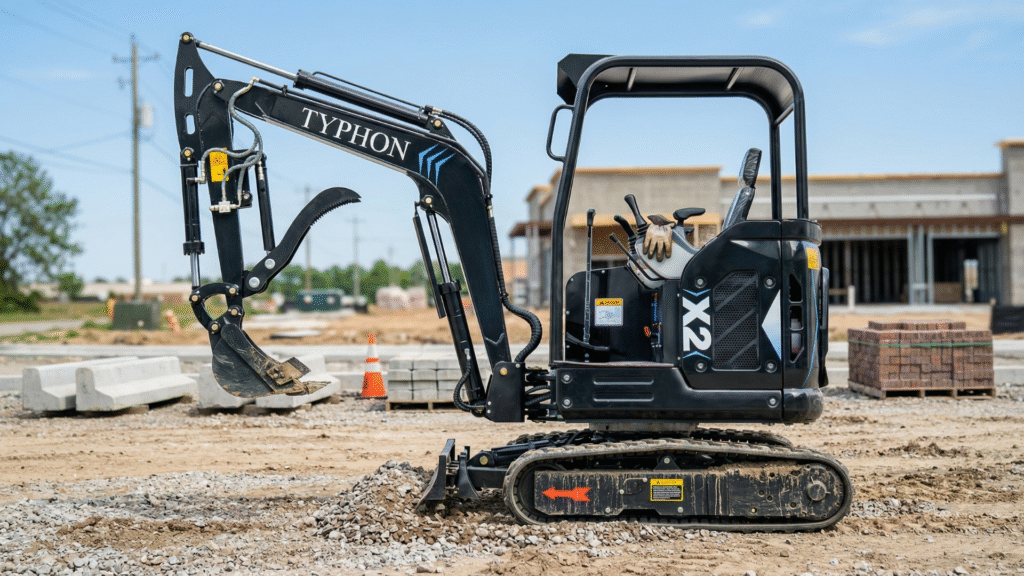
The physical footprint of your job site serves as the absolute most important factor when selecting heavy machinery. You must measure your access points, turning radiuses, and overhead clearances before you ever look at an equipment brochure. Bringing a massive wheel loader into a tightly packed residential neighborhood guarantees property damage and severe logistical nightmares.
If your project involves digging deep utility trenches in narrow urban alleyways, you must prioritize highly compact machinery. Zero tail swing excavators allow your operators to dig directly against brick walls without the rear counterweight swinging into the structure. These smaller machines provide the surgical precision required to navigate highly restricted, heavily populated work zones safely.
Conversely, massive highway developments and commercial site preparations demand heavy-duty, high-capacity earthmovers. A compact machine will eventually finish a massive dirt-moving contract, but it will require thousands of additional, highly expensive labor hours to do so. You must purchase equipment that possesses the necessary engine horsepower and bucket capacity to handle your specific volume of material efficiently.
Navigating Soil and Terrain Conditions
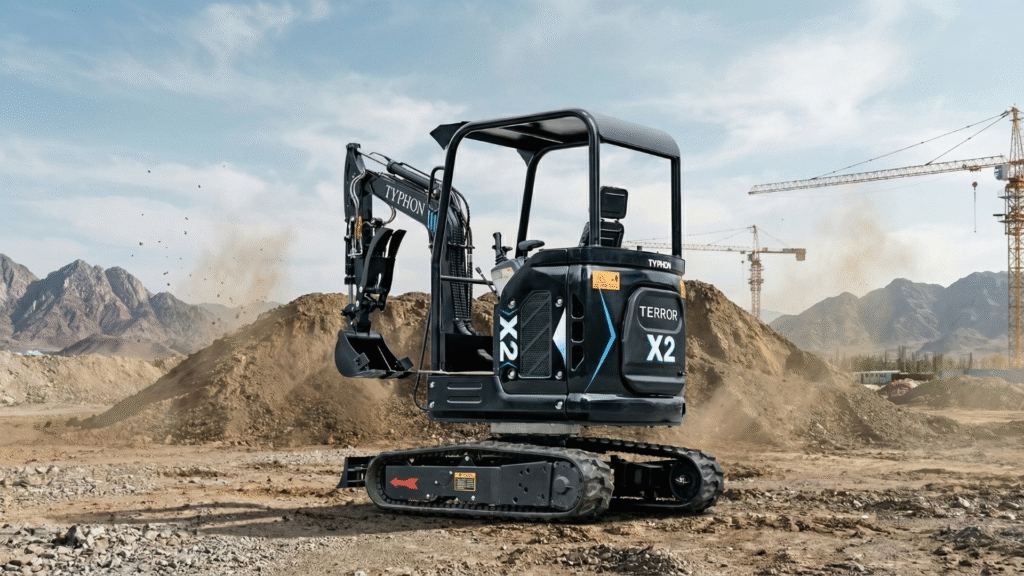
The ground beneath your machine dictates exactly what type of undercarriage you need to deploy. Evaluating the soil composition of your job site ensures your equipment maintains the necessary traction to work productively. Ignoring the terrain conditions quickly leads to deeply stuck machinery and incredibly dangerous recovery operations.
If you frequently work in deep mud, soft sand, or unfinished clay, you must utilize machinery equipped with heavy-duty tracks. Tracked machines distribute their massive operating weight across a much wider surface area. This significantly lowers the machine’s overall ground pressure, allowing it to float safely over soft terrain rather than sinking heavily into it.
When your projects take place on finished asphalt or solid concrete, wheeled machines become the superior choice. Rubber tractor tires allow wheel loaders and standard skid steers to travel at much higher speeds across the job site. Furthermore, wheeled machines will not chew up or destroy the expensive, finished pavement the way aggressive steel tracks will.
Managing Your Budget Considerations
Financial discipline separates highly successful contracting businesses from those that struggle to survive. You must calculate the total cost of ownership before signing any heavy equipment financing agreement. The initial purchase price or monthly rental fee represents only a small fraction of the actual cost of operating the machine.
You must build the cost of diesel fuel, premium hydraulic fluid, and preventative maintenance directly into your financial projections. Larger machines with massive horsepower ratings consume significantly more fuel and require far more expensive replacement parts. If your daily operating budget cannot support these ongoing expenses, you will find yourself unable to maintain your new investment properly.
Never purchase cheap, heavily used machinery simply to save money on the initial acquisition cost. Unreliable equipment frequently breaks down on the job site, completely halting your crew’s productivity while your payroll expenses continue to climb. Investing in high-quality, dependable machinery protects your profit margins by guaranteeing maximum uptime and consistent daily performance.
Maximizing Equipment Versatility
Modern contractors face rapidly changing project scopes and highly unpredictable daily demands. Building a fleet composed entirely of highly specialized, single-purpose machines severely limits your operational agility. You must prioritize versatility to ensure your machinery remains actively engaged and highly profitable all year long.
Multi-purpose machines allow you to consolidate your fleet and drastically reduce your heavy hauling costs. A machine that can dig trenches in the morning and load pallets of brick in the afternoon provides an exceptional return on your investment. By utilizing specialized hydraulic attachments, you empower a single base machine to execute dozens of completely different commercial tasks.
Evaluating Long-Term Investment Value
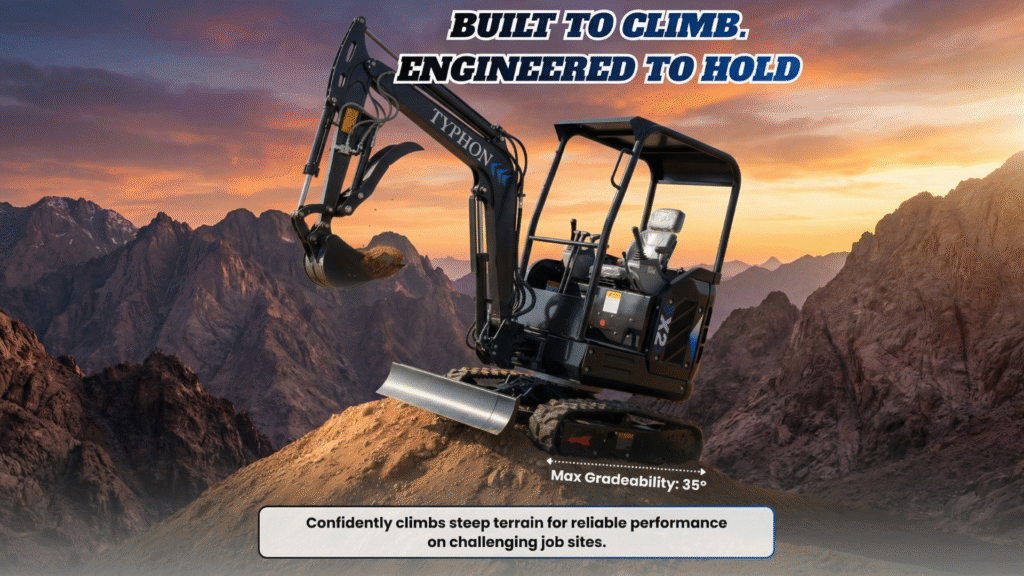
When figuring out how to choose construction equipment, you must look far beyond your current active contract. Professional contractors view heavy machinery as a long-term capital investment that must generate revenue for thousands of hours. You need to evaluate the expected lifespan and the projected resale value of the equipment you plan to purchase.
Reputable, industry-leading equipment brands hold their resale value incredibly well on the secondary market. When you eventually decide to upgrade your fleet, you can trade in these premium machines to recoup a massive portion of your original investment. Lesser-known, unproven brands often suffer from terrible depreciation, leaving you with heavy machinery that holds very little residual financial value.
Furthermore, long-term value relies entirely on the availability of replacement parts and professional dealer support. You must partner with a local equipment dealer who stocks the essential hydraulic hoses, filters, and engine components your machine requires. If you have to wait three weeks for a proprietary part to ship from overseas, your project timeline will completely collapse.
Answering Common Questions About Equipment Selection
Contractors consistently ask important questions when attempting to optimize their heavy equipment fleets. Providing clear, authoritative answers helps you secure the exact machinery required to dominate your local market. Here are direct answers to the most common inquiries regarding how to choose construction equipment effectively.
How do you determine the best equipment for construction projects?
You determine the best equipment by conducting a comprehensive audit of your specific project requirements. Calculate the total volume of material you need to move, measure the physical constraints of your site, and evaluate your maximum lifting requirements. The best machine is the one that meets these exact specifications without exceeding your daily operating budget.
What is the most important factor when choosing heavy machinery?
Dealer support and long-term reliability stand as the most critical factors when selecting new equipment. Even the most powerful machine becomes completely useless if you cannot secure the parts required to keep it running. Partnering with a reliable, highly responsive equipment dealer ensures your crew remains productive and your projects finish strictly on schedule.
Conclusion
Learning how to choose construction equipment strategically guarantees the long-term success and stability of your contracting business. By matching the physical size of the machinery to your specific job site constraints, you maximize your daily operational efficiency. Furthermore, respecting the terrain conditions and calculating your total cost of ownership protects your company from sudden, catastrophic financial losses.
We highly recommend reviewing your upcoming project pipeline before making your next major equipment purchase. Identify the specific tasks that currently consume the most manual labor or consistently delay your project completion times. By utilizing this construction equipment selection guide, you can confidently invest in the exact machinery required to elevate your business and secure highly lucrative future contracts.