Free Shipping Within USA | 1-year Warranty
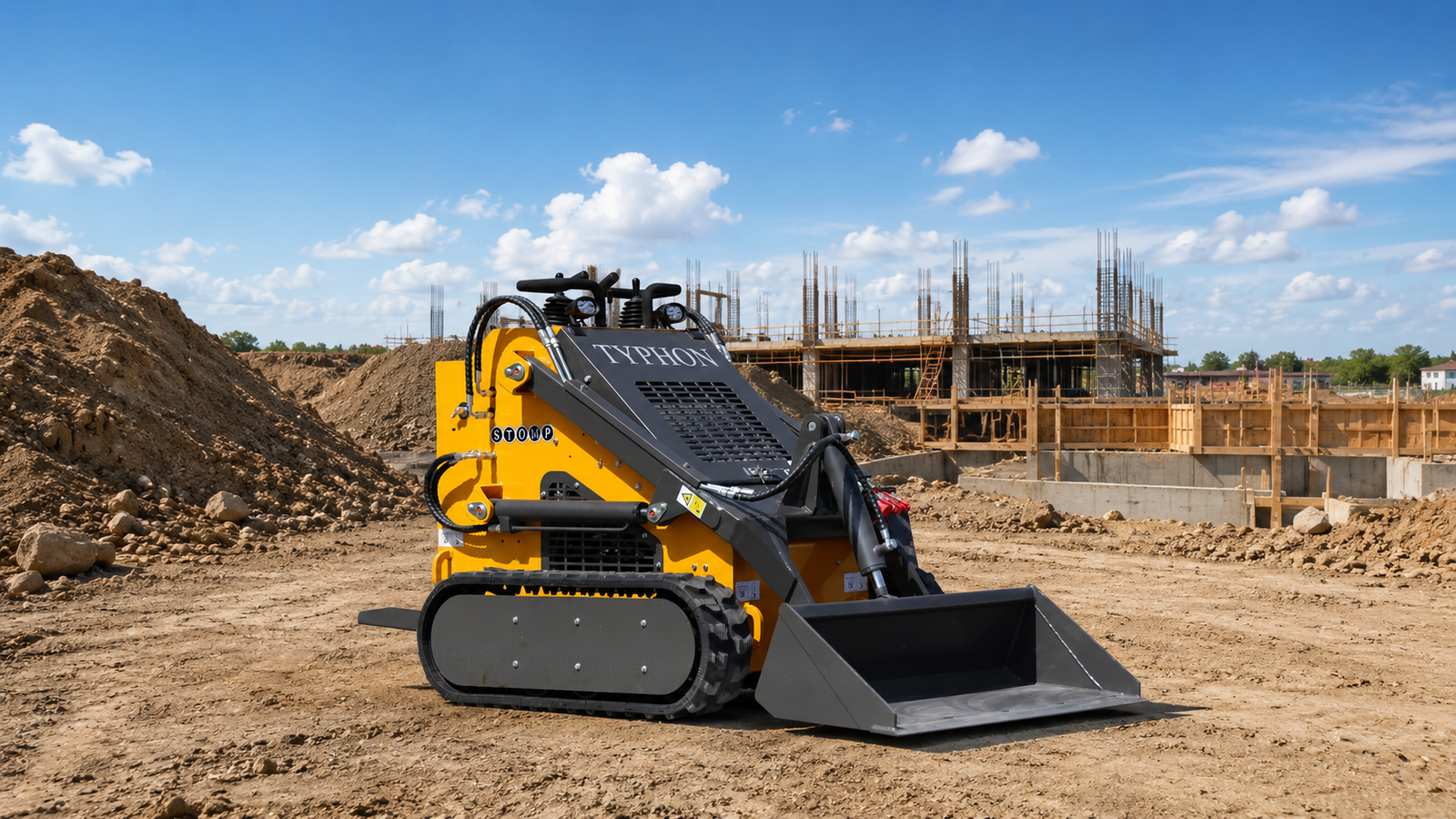
Skid Steer vs Tractor: Which Is More Versatile?
Selecting the right heavy equipment is a critical decision that directly impacts the efficiency and profitability of your daily operations. When faced with the choice of expanding your fleet, the debate often comes down to two of the most popular machines on the market. Deciding between these powerhouse machines requires a deep understanding of your specific job site demands, operational environment, and long-term business goals. You need a reliable asset that maximizes your return on investment while empowering your workforce to tackle complex challenges with absolute confidence.
The skid steer vs tractor comparison is a foundational discussion for professionals across both agriculture and commercial construction. Both machines offer incredible power and utility, yet they approach physical work from entirely different engineering philosophies. Understanding these core mechanical differences serves as the key to unlocking maximum productivity for your specific operational needs. We know that your success depends on deploying machinery that fits seamlessly into your daily workflow without causing logistical headaches or draining your valuable capital.
This comprehensive guide breaks down the defining characteristics of both machines to help you make an informed, authoritative purchasing decision. We will explore how each platform handles maneuverability constraints, attachment compatibility, and challenging terrain. By carefully comparing their performance across indoor, outdoor, agricultural, and construction applications, you will gain the clarity necessary to secure the most versatile machine for your mixed-use operation.
Navigating the Maneuverability Divide
The physical footprint and steering mechanics of a machine dictate exactly where and how your crew can operate. Traditional utility tractors utilize a front-axle steering system, similar to a standard commercial truck. This design requires a wide turning radius, making it highly effective for sweeping across vast, open fields or driving down long, straight rural roads. However, when a project requires intricate navigation around existing structures, tight fence lines, or heavily congested job sites, the long wheelbase of a tractor becomes a severe logistical liability.
A skid steer loader is explicitly engineered to conquer spatial limitations through its unique steering mechanism. By locking the wheels or tracks on one side and driving the opposite side, the machine can literally pivot entirely within its own physical footprint. This zero-radius turning capability allows your operator to maneuver effortlessly through narrow barn aisles, congested commercial staging areas, and tight residential backyards. When your operations consistently require working in heavily restricted zones, this unmatched agility guarantees that your project maintains a highly profitable forward momentum without risking property damage.
Attachment Ecosystems and Capabilities
The true value of any heavy machinery lies in its ability to adapt to shifting project demands through specialized attachments. Tractors have long relied on a combination of front-end loaders and rear-mounted Power Take-Off driven implements. This traditional setup allows them to run heavy rotary cutters, massive tillers, and large hay balers with exceptional efficiency. While highly effective for dedicated agricultural tasks, the rear-mounted orientation forces the operator to constantly look backward over their shoulder, causing significant physical fatigue during long operational shifts.
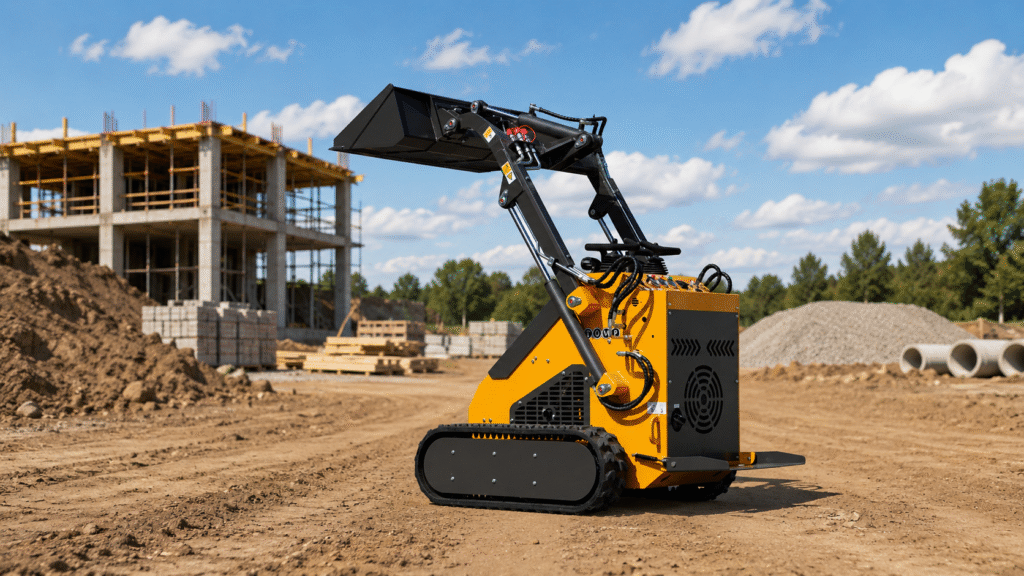
Conversely, the skid steer loader acts as the ultimate forward-facing universal tool carrier. These machines feature a universal quick-attach plate positioned directly in front of the climate-controlled cab. This intelligent design allows your operator to swap between heavy dirt buckets, hydraulic post hole augers, and industrial grapple forks in a matter of seconds. Because the working tool is always positioned directly in the operator’s line of sight, they maintain absolute precision and uncompromising safety. This phenomenal forward-facing versatility ensures that a single base machine can flawlessly execute dozens of highly specialized tasks throughout a single workday.
Indoor and Outdoor Operational Flexibility
Modern contracting and property management frequently require teams to transition seamlessly between open-air environments and enclosed structures. Tractors are fundamentally outdoor machines, built with tall exhaust stacks, high seating positions, and wide stances that make entering standard commercial or agricultural buildings nearly impossible. Utilizing a tractor for interior work is generally unfeasible, forcing property owners to rely on exhausting manual labor to clean out low-clearance livestock holding pens or enclosed storage facilities.
Skid steer loaders are built with a low, compact profile specifically designed to bridge the gap between indoor and outdoor operations. Your operator can confidently drive the machine through standard commercial garage doors to execute interior concrete demolition or safely navigate underneath low-hanging barn headers to scrape heavily compacted manure. This incredible flexibility allows your team to maintain rigorous facility maintenance schedules regardless of architectural restrictions. By investing in a machine that masters both interior and exterior environments, you drastically reduce the need to rent specialized indoor equipment.
Evaluating Farm and Construction Applications
Matching the right machinery to your primary industry is essential for maximizing operational efficiency. In large-scale agricultural environments, the tractor remains an undisputed champion of heavy, continuous field work. When you need to plow hundreds of acres, pull massive seed drills, or transport heavy wagons across sprawling rural highways, the gearing and sheer pulling power of a farm tractor are unmatched. They are specifically built to cover vast distances at a steady, relentless pace, making them the backbone of crop production.
However, for commercial construction, landscaping, and mixed-use property maintenance, the skid steer provides a significantly higher return on investment. The machine’s ability to dig aggressively into heavy clay, load tall commercial dump trucks, and perform surgical final site grading makes it the ultimate earthmoving asset. While a tractor with a front bucket can certainly move loose dirt, it lacks the heavy breakout force and structural rigidity required to handle aggressive commercial excavation. When your daily tasks involve heavy lifting, precise material placement, and complex site preparation, the compact loader is the superior mechanical solution.
Conquering Challenging Terrain
The way a machine interacts with the ground beneath it determines its safety and effectiveness on unpredictable job sites. Tractors distribute their massive weight across large pneumatic tires, providing excellent clearance over high crops and deep ruts. However, this high center of gravity makes them particularly susceptible to dangerous rollovers when operating on steep inclines or highly uneven hillsides. Operating a standard tractor on a heavily sloped property requires extreme caution and significantly slows down your daily progress.
Skid steers, particularly compact track loaders, are engineered with an exceptionally low center of gravity that hugs the terrain safely. The continuous rubber tracks distribute the machine’s weight beautifully, providing unparalleled traction in deep mud, soft sand, and slippery winter snow. This aggressive stance allows your operators to safely traverse steep embankments and unstable commercial sub-grades without fear of tipping. By ensuring your equipment remains deeply planted and highly stable, you protect your dedicated workforce and maintain continuous productivity during adverse weather conditions.
Selecting for Mixed-Use Operations
Many modern businesses operate in a hybrid space that blends agricultural maintenance with commercial contracting elements. If you run a large private estate, a sprawling commercial nursery, or a rural utility contracting firm, you need machinery that refuses to be limited to a single category. The ultimate skid steer vs tractor debate is often settled by evaluating how frequently your daily tasks change. If your primary focus is entirely on large-scale crop management and continuous field plowing, the tractor will serve your specialized needs perfectly.
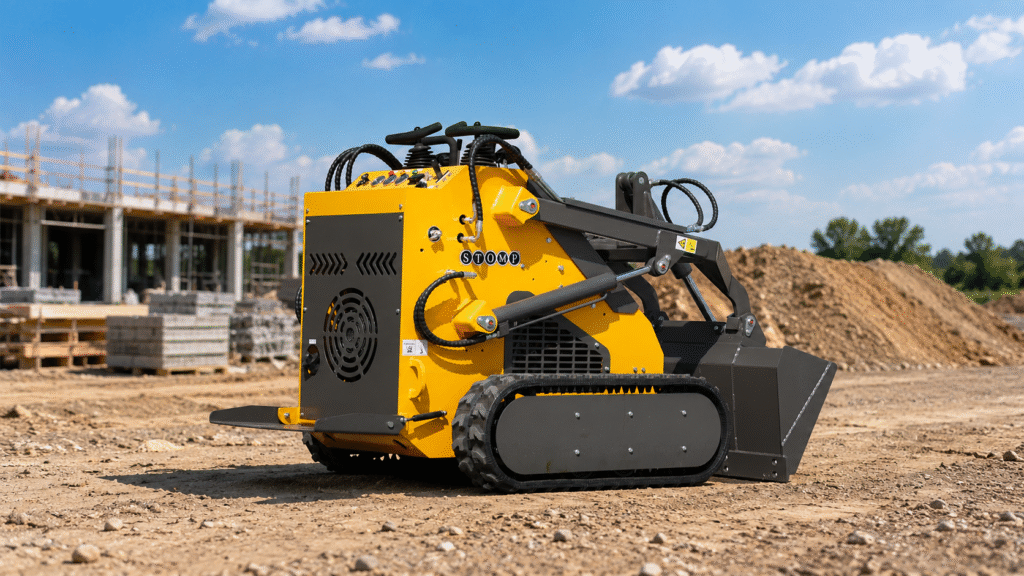
However, if your schedule demands rapid adaptability, the compact loader is the clear winner in total operational versatility. The ability to drill deep fence posts in the morning, load heavy pallets of retaining wall block at noon, and clear dense overgrown brush in the afternoon provides an unbeatable competitive advantage. You consolidate your massive equipment expenses into one highly capable platform that constantly generates revenue.
Conclusion
Building a deeply resilient, highly profitable operation requires demanding continuous value from your heavy equipment investments. You cannot afford to let expensive machinery dictate the limitations of your daily capabilities. By thoroughly evaluating the distinct mechanical advantages of both platforms, you empower your company to tackle complex, ever-changing demands with absolute professional authority.
When absolute versatility, rapid attachment swapping, and tight-quarter maneuverability are your highest priorities, the skid steer loader proves to be the ultimate multi-tasking asset. We encourage you to carefully assess your specific operational bottlenecks and upcoming project requirements. Invest strategically in the highly adaptable machinery that perfectly matches your workflow, protect your hard-earned capital, and continue delivering the exceptional, reliable results your clients expect.