Free Shipping Within USA | 1-year Warranty

How Compaction Quality Impacts Road Longevity
Every long-lasting highway, city road, and commercial parking lot depends on one critical factor: a properly compacted foundation. While freshly laid asphalt may appear smooth and flawless, the true durability of any paved surface is determined by what lies beneath.
Without proper soil compaction and base preparation, pavements become highly vulnerable to structural failure. Repeated traffic loads from heavy trucks and daily vehicles will quickly reveal weak points, leading to cracks, potholes, and surface deformation.
This guide explains why road compaction quality is essential for long-term pavement performance. Learn how proper compaction eliminates air voids, increases load-bearing capacity, and prevents costly failures in modern paving projects.
The Science Behind Road Compaction Quality
Before you can understand pavement failures, you must understand what happens during the compaction process. Soil and aggregate bases naturally contain millions of microscopic air pockets and water voids. If you leave these empty spaces intact, the ground beneath your asphalt remains loose, shifting easily under heavy pressure.
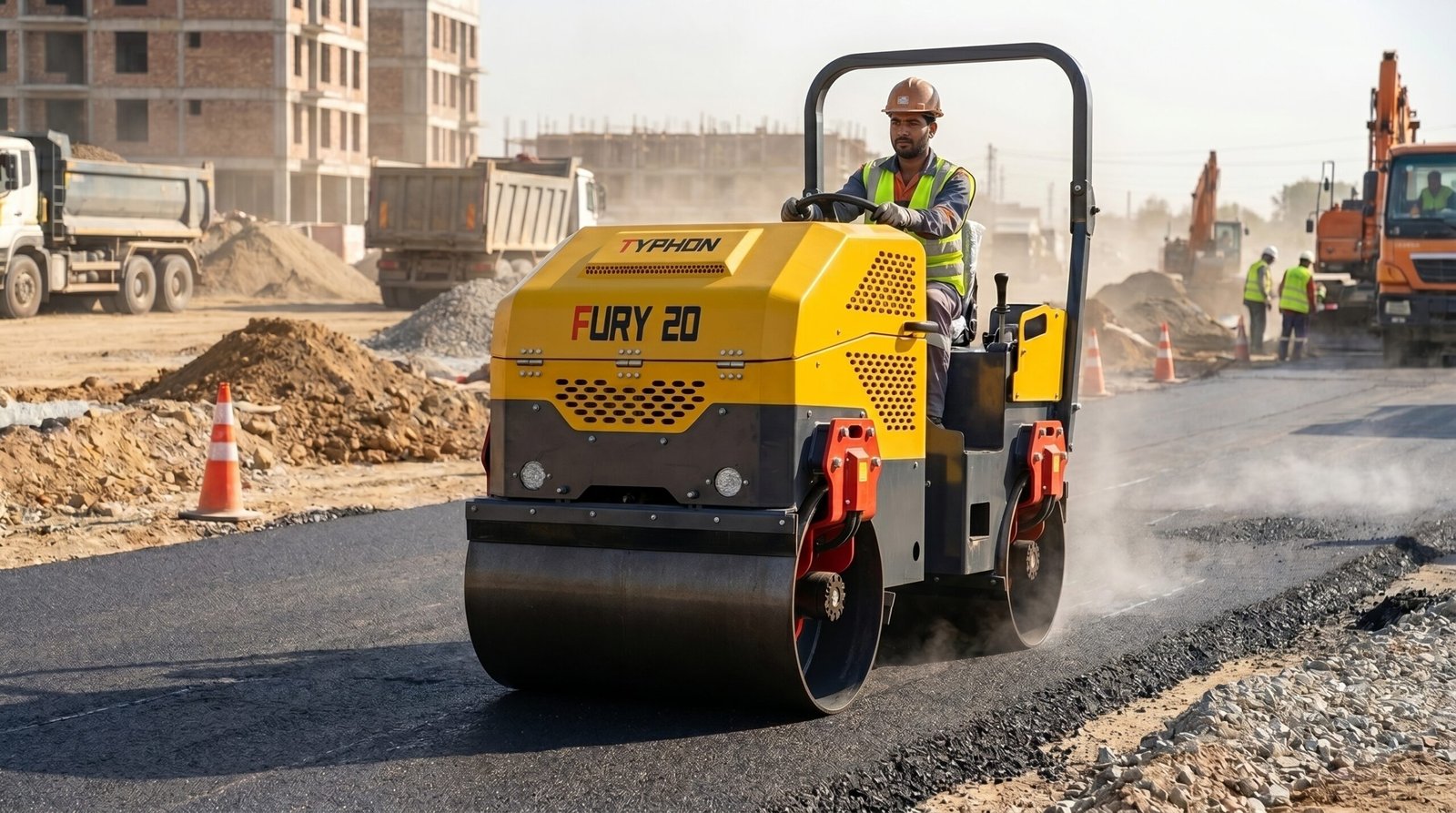
Compaction applies intense mechanical force to squeeze these empty air pockets out of the foundational layers. Heavy vibratory rollers and compactors force the individual dirt and gravel particles tightly together. This aggressive mechanical process dramatically increases the overall density of the material.
When you achieve exceptional road compaction quality, you create a rigid, unyielding base. This dense foundation effectively distributes the massive weight of moving vehicles across a much wider area. Instead of a single point absorbing the impact of a loaded semi-truck, the tightly packed base absorbs and dissipates the energy safely.
Preventing Costly Structural Failures
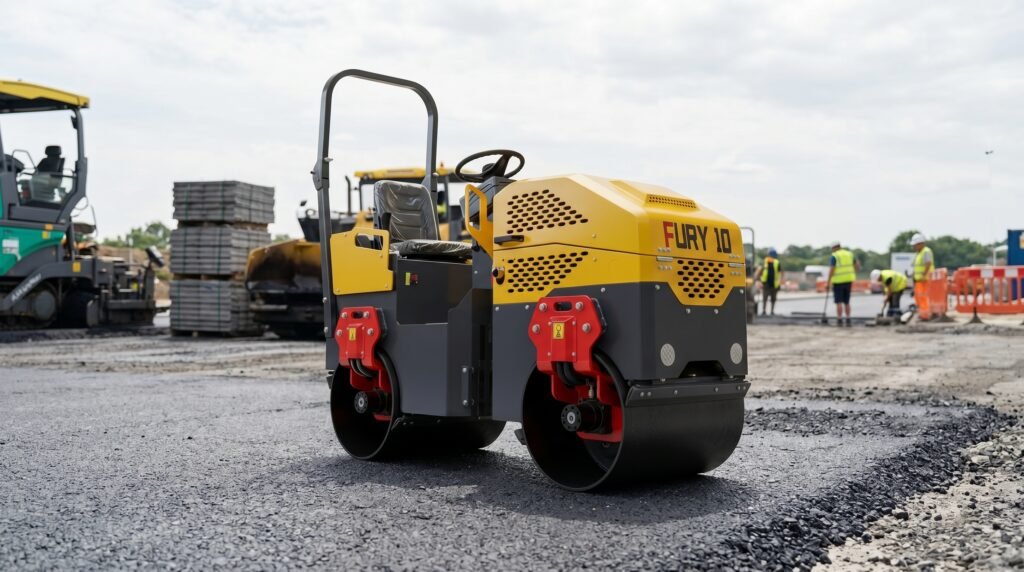
Failing to reach the required density benchmarks during the construction phase guarantees future pavement failures. Mother Nature and heavy traffic act aggressively against weak infrastructure. Understanding these specific threats helps you appreciate the immense value of doing the job perfectly the first time.
Eliminating Premature Cracking
Cracks represent the first visible sign of a failing roadway. When a sub-base lacks proper density, the asphalt surface above it bends and flexes every time a vehicle drives over it. Asphalt is meant to be flexible to a very slight degree, but excessive bending quickly snaps the rigid material.
This continuous flexing leads directly to fatigue cracking, commonly known as alligator cracking. The pavement shatters into dozens of small, interconnected pieces that resemble the scales of a reptile. Once alligator cracking begins, the structural integrity of that specific section is completely gone.
High road compaction quality prevents this destructive flexing entirely. When the foundational base remains rock-solid, the asphalt layer rests fully supported. The pavement maintains its structural shape, allowing your roadway to carry heavy traffic for decades without shattering.
Stopping Foundation Settlement
If you pave over loosely packed soil, the ground will eventually compact itself over time. Unfortunately, this natural settling happens unevenly across the roadway. As the heavy traffic slowly compresses the loose dirt below, the asphalt surface sinks right along with it.
This uneven settling creates deep, dangerous depressions in the road, commonly referred to as rutting. Vehicles naturally follow these sunken wheel paths, which drastically increases the risk of hydroplaning during heavy rainstorms. Severe settlement can also cause the pavement to shear entirely, creating massive, vehicle-damaging potholes.
Proper mechanical compaction accelerates this settling process before the asphalt ever hits the ground. By using heavy equipment to force the soil into its most dense state, you remove the possibility of future shifting. Your roads remain perfectly level, smooth, and safe for the drivers who rely on them daily.
Defending Against Water Infiltration
Water serves as the ultimate enemy of any paved surface. When road compaction quality falls short, the large air voids left in the sub-base act like a massive underground sponge. Rainwater naturally finds its way into these voids through microscopic surface cracks or from the surrounding soil.
Once water pools directly beneath the asphalt, the real damage begins. In colder climates, this trapped water freezes during the winter months. Because water expands as it turns to ice, it violently pushes upward against the pavement, completely destroying the asphalt from the inside out.
When the ice melts in the spring, it leaves behind an even larger void. The unsupported pavement above simply collapses under the weight of the next passing truck. Achieving maximum soil density eliminates these empty spaces, preventing water from pooling and stopping the devastating freeze-thaw cycle in its tracks.
The Financial Impact of Doing It Right
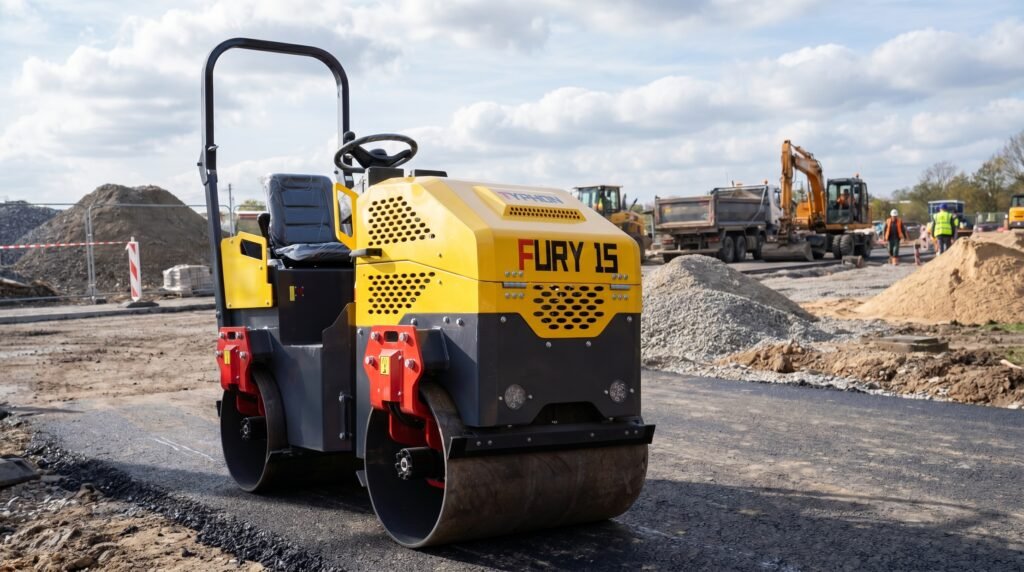
Infrastructure projects represent massive financial investments for municipalities and private developers. Paving a new roadway requires significant capital, and the clients paying for these projects expect a strong return on their investment. Poor compaction destroys that ROI almost immediately.
When a poorly compacted road begins to fail after just a few years, maintenance budgets take a massive hit. Crews must constantly dispatch to fill potholes, seal cracks, and perform expensive deep-patch repairs. These reactive maintenance costs quickly exceed the original price of the construction project.
Conversely, investing the necessary time and resources into high road compaction quality pays massive long-term dividends. A properly compacted road requires minimal maintenance over its intended lifespan. You build lasting trust with your clients by delivering a reliable product that respects their budget and stands the test of time.
Key Factors Influencing Compaction Success
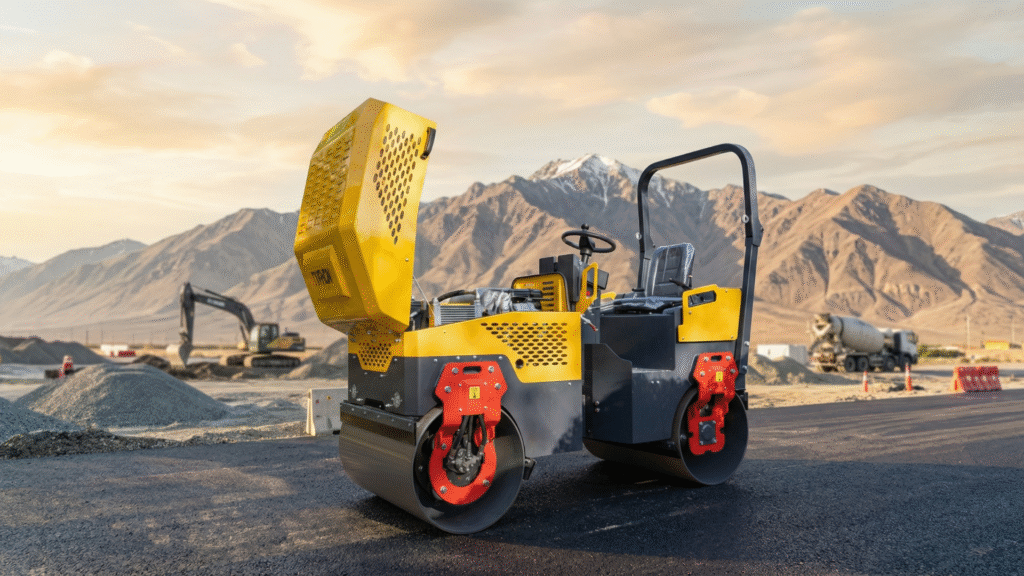
Securing a flawless foundation requires strict attention to detail during the construction phase. Your crews cannot simply drive a heavy roller back and forth and hope for the best. Achieving absolute density relies on managing several critical environmental and mechanical variables.
Managing Moisture Content
You cannot achieve optimal density if the foundational material is completely bone dry or heavily saturated. Water acts as a crucial lubricant during the compaction process. It allows the individual soil particles to slide past one another and lock tightly together.
However, if the soil contains too much water, the voids fill completely with liquid. Because water cannot be compressed, your heavy rollers will simply push the mud around without actually increasing the density. Your site managers must strictly monitor the moisture content, using water trucks to add moisture or aerating the soil to dry it out before rolling begins.
Choosing the Correct Equipment
Different materials demand entirely different types of mechanical force. You cannot use the same machinery to compact sticky, cohesive clay that you would use for loose, granular sand. Selecting the right tool for the specific job ensures you achieve the necessary road compaction quality efficiently.
For cohesive soils like clay, you need a padfoot or sheepsfoot roller. The heavy steel lugs penetrate deep into the dirt, aggressively kneading the sticky particles together from the bottom up. For granular materials like gravel and sand, a smooth drum vibratory roller works best, using rapid shockwaves to shake the particles into a tight, dense configuration.
Implementing Rigorous Testing
You should never guess whether a foundation has reached its required density. Professional paving contractors rely on strict, scientific testing to verify their results before they authorize the asphalt pour. Leaving density to chance introduces completely unacceptable levels of risk.
Quality control technicians use tools like nuclear density gauges to measure the exact compaction levels of the sub-base. These devices provide instant, highly accurate readings. If a specific section falls short of the engineering requirements, your operators simply make a few more passes with the roller until the tests confirm absolute structural perfection.
Conclusion
The true quality of a paving project is determined long before the hot asphalt ever touches the ground. The lifespan of your highway, street, or commercial lot relies entirely on the strength of the hidden foundation beneath it. When you prioritize road compaction quality, you actively protect the pavement from the destructive forces of heavy traffic, shifting soils, and severe weather.
By eliminating empty air voids and securing a rock-solid base, you prevent the premature cracking and dangerous settlement that plague poorly built roads. We encourage you to review your current site preparation protocols and ensure your crews have the right equipment and testing procedures in place. When you commit to achieving perfect compaction on every project, you deliver durable, highly reliable infrastructure that proudly stands the test of time.