Free Shipping Within USA | 1-year Warranty

How Soil Type Affects Compaction Results with Road Rollers
Every durable construction project starts with an incredibly stable foundation. If the ground beneath your roadway or commercial building fails, the entire structure faces massive structural damage. Achieving that crucial stability requires heavy equipment, but simply driving a massive machine over loose dirt rarely guarantees success. You must understand the specific earth you are working with to secure a solid base.
Different materials react completely differently to heavy machinery. This comprehensive guide explores exactly how specific materials impact your soil compaction types and final project results. We will break down how clay, sand, and gravel respond to road rollers on your job site. By the end of this guide, you will possess the precise knowledge needed to adjust your compaction strategy, maximize your equipment’s effectiveness, and deliver a flawless foundation.
The Fundamentals of Proper Compaction
Before analyzing specific materials, contractors must understand what happens beneath the surface during the compaction process. Soil naturally contains air voids and moisture between its solid particles. When you apply heavy mechanical force to the ground, you squeeze these air pockets out. This forces the solid particles tightly together, dramatically increasing the overall density of the ground.
A highly dense foundation delivers three critical benefits for your project. First, it significantly increases the load-bearing capacity of the ground, allowing it to support heavy structures without shifting. Second, proper compaction prevents future settlement, ensuring your concrete slabs or asphalt roadways do not crack over time. Finally, it reduces water seepage, protecting the foundation from damaging freeze-thaw cycles during harsh winter months.
However, different materials require vastly different mechanical forces to achieve this ideal density. Applying the wrong type of force to the wrong material wastes valuable time, burns expensive diesel fuel, and often yields a weak foundation. You must tailor your approach based on the exact material your crew faces.
Evaluating Major Soil Compaction Types
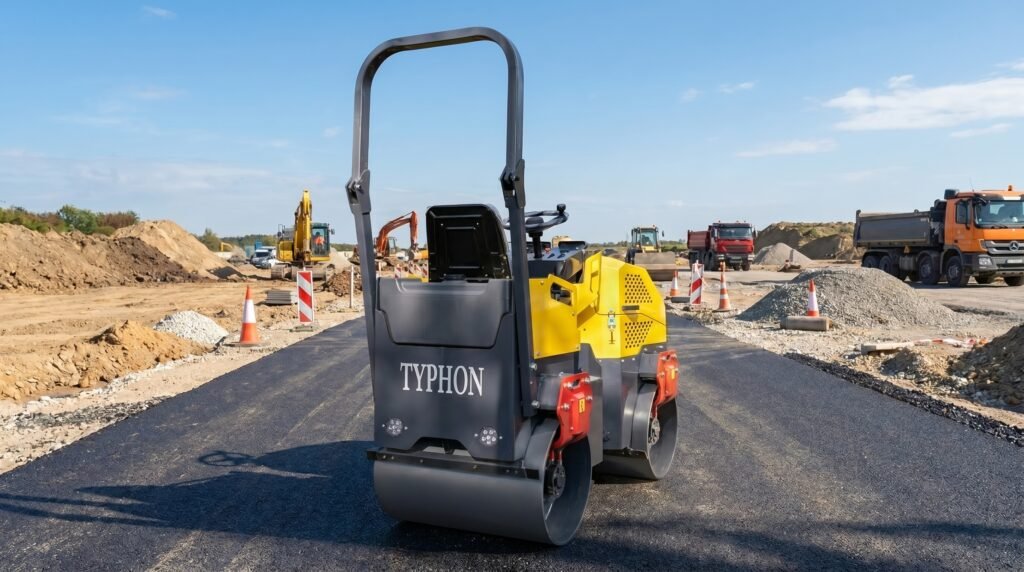
Industry professionals generally divide earth into two primary categories: cohesive and granular. Understanding the distinct characteristics of these categories helps you navigate the various soil compaction types effectively.
Cohesive materials hold together tightly, even when dry. Granular materials crumble and fall apart easily. Your road roller must deliver a specific type of mechanical energy to overcome the unique resistance offered by each category.
Cohesive Soils: Mastering Clay
Clay represents the most common type of cohesive material you will encounter on commercial job sites. The individual particles in clay are microscopic and bond together with immense strength. This natural stickiness makes clay incredibly difficult to compact properly. When clay gets wet, it turns into a dense, muddy paste. When it dries completely, it becomes as hard as concrete.
Because the particles bond so tightly, standard static weight alone will not force the air voids out of a clay foundation. You need a machine that can physically knead and slice through the material. This aggressive action breaks the strong molecular bonds, forcing the clay particles to rearrange themselves into a dense structure.
To conquer clay, contractors rely heavily on padfoot or sheepsfoot road rollers. These specialized machines feature large steel drums covered in heavy-duty, tapered metal lugs. As the drum rolls, the heavy lugs penetrate deep into the clay. This intense, concentrated pressure kneads the earth from the bottom up, completely destroying the air voids. When you combine a padfoot drum with high-amplitude vibration, you deliver the massive impact force required to secure a stable clay foundation.
Granular Soils: Managing Sand and Gravel
Unlike clay, sand and gravel fall into the granular category. These materials possess no natural bonding properties. If you pick up a handful of dry sand and open your fingers, the material instantly crumbles and falls to the ground. The individual particles rely entirely on friction to hold their shape and support weight.
Compacting granular materials requires a completely different approach. Because the particles do not stick together, heavy impact force or aggressive kneading will actually push the material apart. If you use a padfoot roller on loose sand, you will simply churn the earth into a messy, unstable surface.
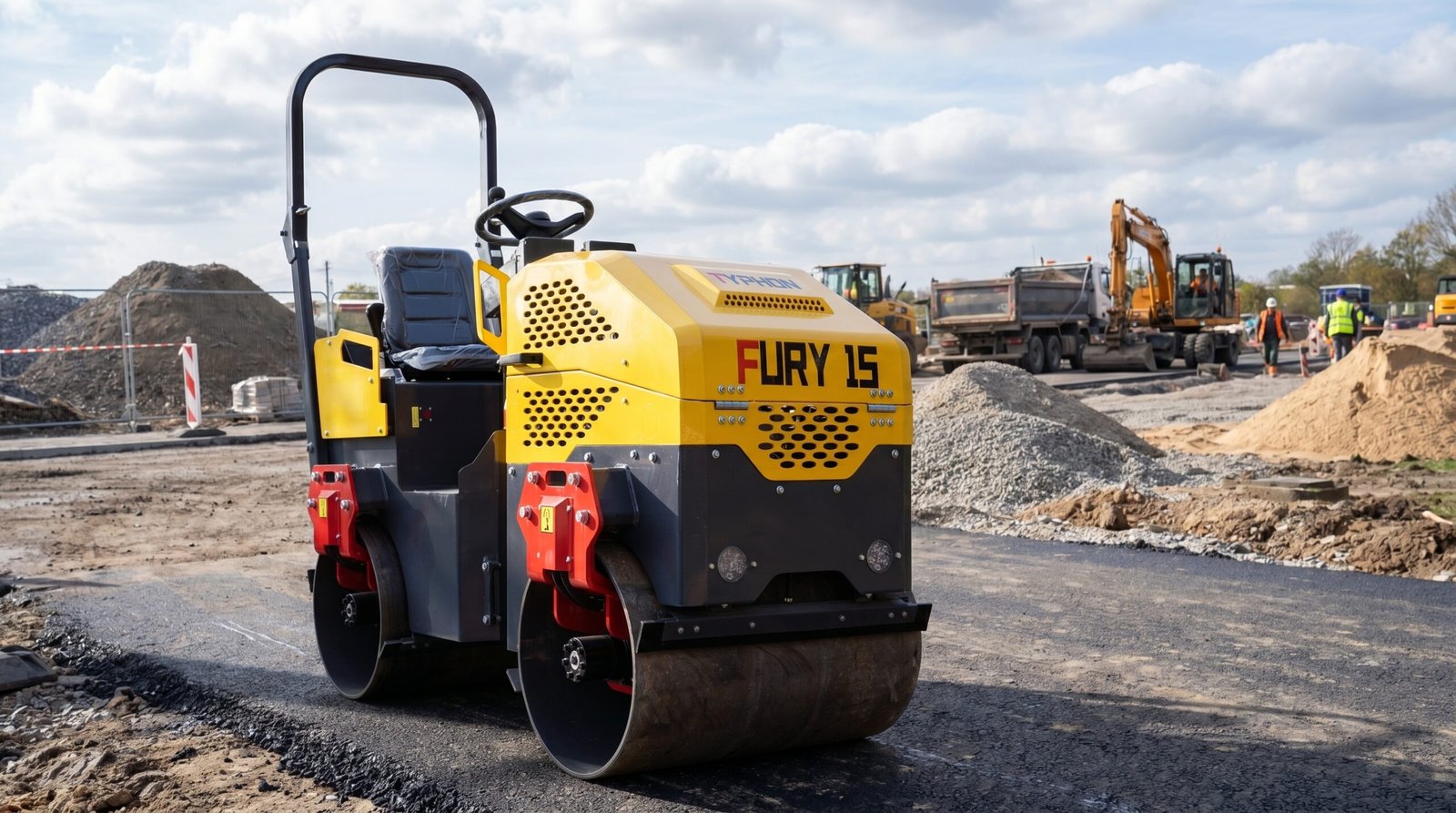
Instead of kneading, you must vibrate granular materials into place. Smooth drum vibratory rollers excel in these specific conditions. The smooth steel drum applies even, consistent static weight across the entire surface. Simultaneously, the internal vibratory system sends rapid, high-frequency shockwaves deep into the ground. These rapid vibrations eliminate the natural friction between the sand and gravel particles. The particles momentarily float, naturally settling into the tightest, most dense configuration possible.
Moisture Content: The Hidden Variable
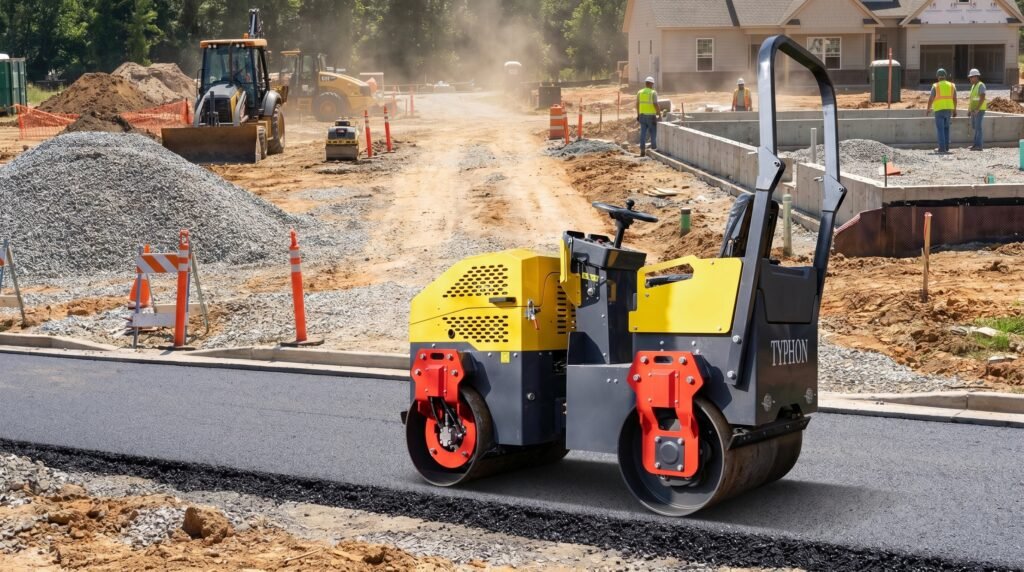
Even if you match the perfect road roller to your specific job site material, you will fail if you ignore moisture content. Water acts as a natural lubricant between earth particles. If the ground lacks sufficient moisture, the friction between the particles prevents them from sliding together tightly. The ground will resist your road roller, and you will never achieve the required density.
Conversely, if the ground holds too much water, you face a completely different problem. Water cannot be compressed. If the microscopic voids remain completely filled with water, your road roller will simply push the wet earth around like a giant sponge. The ground will bounce back the moment the machine passes over it.
Contractors must constantly test the earth to find the optimum moisture content. This specific percentage allows the water to lubricate the particles just enough to facilitate compaction, without filling the air voids entirely. When managing dry sand, your crew might need to spray the area thoroughly with a water truck. When facing saturated clay, you may need to drag a heavy disk harrow across the site, exposing the wet earth to the sun and wind until it dries to the perfect working condition.
Practical Strategies for Field Adjustments
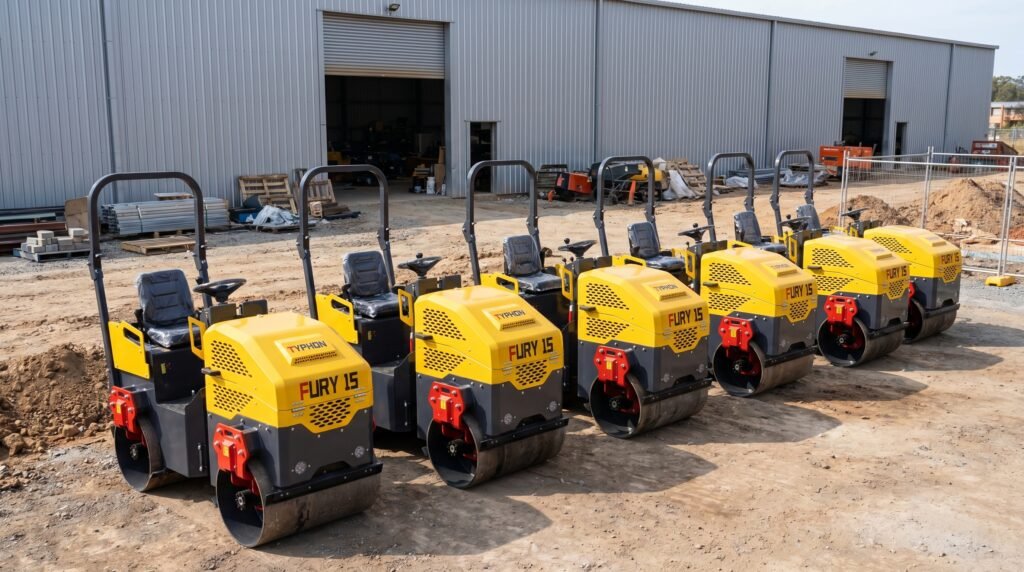
Job sites rarely offer perfectly uniform materials. As your excavators cut deeper into a trench or grade a massive commercial parking lot, the earth composition will change. Your operators must know exactly how to adjust their road roller settings to maintain maximum efficiency across changing terrain.
When your crew encounters a blend of clay and gravel, they must adjust the vibratory settings on the machine carefully. High amplitude delivers massive, heavy blows, which works perfectly for thick layers of cohesive clay. High frequency delivers rapid, lighter vibrations, which quickly settles granular sand and gravel. Modern road rollers allow operators to switch between these settings with the push of a button. Training your crew to read the ground and adjust their vibration settings prevents costly over-compaction.
Over-compaction occurs when an operator continues to run a heavy vibratory roller over soil that has already reached its maximum density. Instead of making the ground stronger, the intense vibration actually shatters the dense structure, reducing the overall load-bearing capacity. Your operators must watch the ground closely. If the smooth steel drum begins to bounce violently off the surface, the material has reached maximum density. The operator must immediately turn off the vibratory system and make a final, static pass to seal the surface.
Conclusion
Securing a stable, lasting foundation dictates the ultimate success of your entire construction project. You now understand exactly how different materials impact your daily operations and long-term results. By carefully evaluating the earth beneath your tracks, you ensure your equipment performs at its absolute peak potential.
Take the time to evaluate your job site before you unload your heavy equipment. Identify whether you face sticky, cohesive clay or loose, granular gravel. Match your specific soil compaction types to the correct road roller drum and vibratory settings. Monitor your moisture content religiously, and train your operators to recognize the signs of optimal density. When you make calculated, data-driven decisions on the job site, you build a resilient, powerful foundation capable of supporting any commercial structure.